Introduction: Solving Vibration Monitoring Challenges
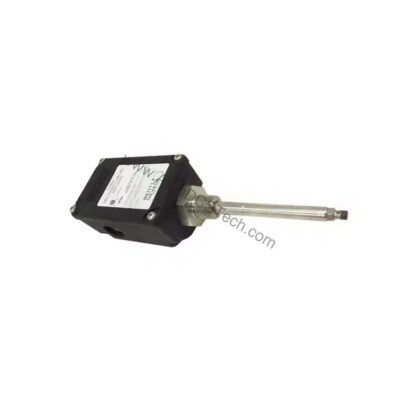
When rotating machinery operates in critical processes, unplanned vibration can lead to costly downtime and equipment damage. The 990-08-50-01-00 from Bently Nevada addresses this challenge by converting dynamic shaft vibration into a standardized 4-20 mA signal. This allows plant engineers to integrate vibration data directly into existing control systems without complex additional hardware.
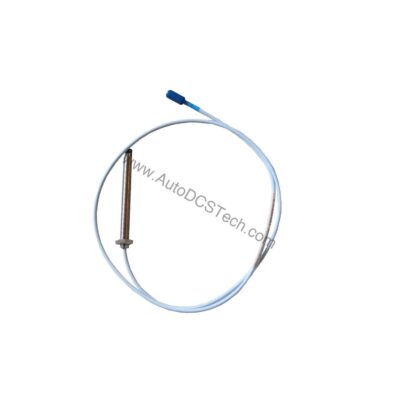
This 990 Vibration Transmitter accepts one non-contacting 3300 NSv Proximity Probe and extension cable, making it a practical solution for continuous monitoring of pumps, fans, motors, and other rotating assets. Its compact design and straightforward wiring simplify installation in both new and retrofit applications.
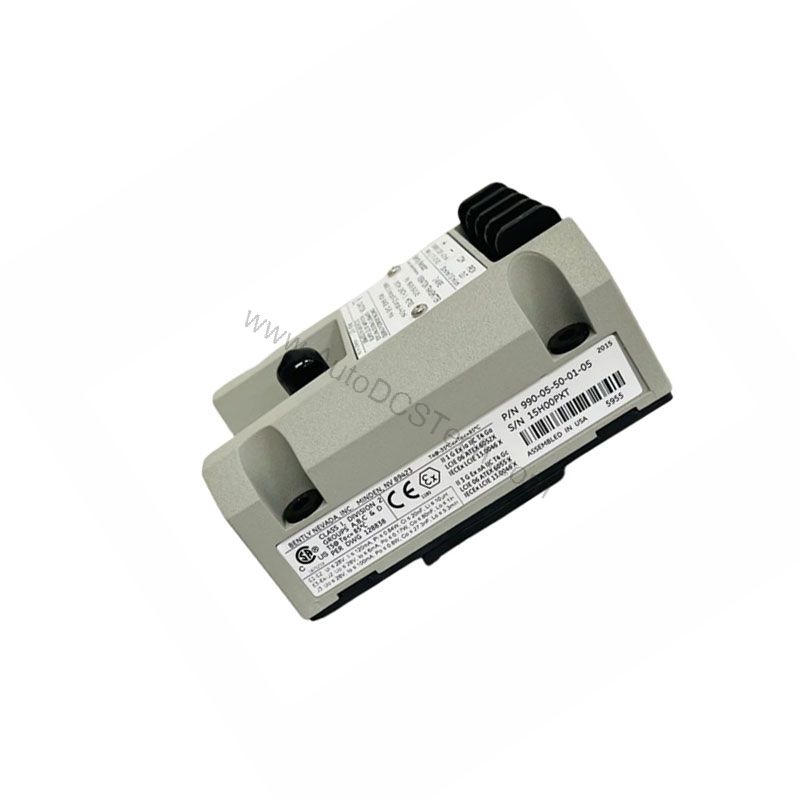
Key Features and Technical Specifications
The 990-08-50-01-00 is engineered for precision and reliability. Below are the core specifications that define its performance:
- Full-scale range: 0-8 mils pp (0-200 μm pp) – selectable via option code 08.
- System length: 5.0 meters (16.4 feet) – option code 50.
- Mounting: 35 mm DIN rail clips – option code 01.
- Input: Accepts 1 non-contacting 3300 NSv Proximity Probe and extension cable.
- Power requirement: +12 to +35 Vdc at the transmitter terminal.
- Output: 4-20 mA dc over specified full-scale range in 2-wire configuration.
- Loop accuracy: Within ±1.5% over full-scale range (from TEST signal input to voltage across 250 Ω loop resistance).
- Probe gap: Must be gapped between 0.5 and 1.75 mm (20 and 55 mils) from target.
- Maximum loop resistance: 1,000 Ω including cable at 35 Vdc.
- Current limiting: 23 mA typical.
- Zero and span: Non-interacting external adjustments.
- Not OK/signal defeat: Output drops below 3.6 mA within 100 µs after a Not OK condition; restores within 2-3 seconds after removal.
- Frequency response: 5 Hz to 6,000 Hz +0, 3 dB.
- Minimum target size: 9.5 mm (0.375 in) diameter.
- Leadwire length: Maximum 3 meters (10 feet) for Proximitor Sensor Output (BNC connector).
- Hazardous area: Suitable for NonHazardous, Zone 2 or Div 2 locations (power supply 28 V).
- Weight: 0.43 kg (0.9 lbm).
One distinctive feature is the fast Not OK response. The signal output drops below 3.6 mA within 100 µs, enabling rapid detection of probe faults or power loss. This quick reaction helps prevent erroneous vibration readings that could mask real machine problems.
Applications and Use Cases
The 990-08-50-01-00 is well-suited for continuous vibration monitoring in industrial environments. Typical applications include:
- Monitoring shaft vibration in centrifugal pumps, compressors, and turbines.
- Tracking vibration levels in cooling tower fans and blowers.
- Providing input to PLCs, DCS, or SCADA systems for alarm and trip logic.
- Retrofitting older machines with modern vibration sensing without major rewiring.
Because the transmitter outputs a standard 4-20 mA signal, it integrates easily with existing control loops. This makes it a practical choice for plants looking to enhance reliability without overhauling their monitoring infrastructure.
Installation and Setup
Proper installation is critical for accurate vibration measurement. The transmitter mounts on a 35 mm DIN rail using the included clips. The proximity probe must be gapped between 0.5 and 1.75 mm (20 and 55 mils) from the target to ensure full-scale range. The leadwire length from the Proximitor Sensor Output (BNC connector) must not exceed 3 meters (10 feet).
Wiring is straightforward: connect the probe and extension cable to the transmitter input, then connect the 4-20 mA loop to your monitoring system. The transmitter requires +12 to +35 Vdc power at its terminal. Ensure the loop resistance does not exceed 1,000 Ω at 35 Vdc to maintain specified accuracy.
Maintenance and Reliability
Routine inspection of the probe gap and cable connections helps maintain reliable operation. Check that the probe is securely mounted and the target surface is clean. Periodically verify the 4-20 mA output against a known vibration source to confirm calibration.
The transmitter's non-interacting zero and span adjustments simplify calibration. Always follow the manufacturer's manual for specific procedures. Regular checks of the Not OK function can confirm that fault detection is working correctly.
Compatibility and Integration
The 990-08-50-01-00 is designed to work with Bently Nevada 3300 NSv proximity probes and extension cables. The 4-20 mA output can be fed into any analog input module of a PLC, DCS, or standalone monitor. The 2-wire configuration reduces wiring complexity and is compatible with standard loop-powered transmitters.
For hazardous area installations, the transmitter is rated for Zone 2 or Div 2 locations when powered at 28 V. Verify that your system's power supply matches this requirement.
Troubleshooting Common Issues
If the output signal is not within the expected range, first check the probe gap. An incorrect gap can cause the output to saturate or stay at the low end. Also verify that the loop resistance is within the 1,000 Ω limit. If the Not OK signal triggers, inspect the probe and cable for damage or loose connections.
Should the output remain below 3.6 mA, the transmitter may be in a fault state. Confirm that power is present and that the probe is properly connected. If problems persist, consult the official Bently Nevada documentation or contact AutoDCSTech for support.
Product Support and Availability
The 990-08-50-01-00 is available from AutoDCSTech. For ordering assistance or technical questions, contact our team. Please verify current lifecycle status and availability with AutoDCSTech before ordering.