Product Overview
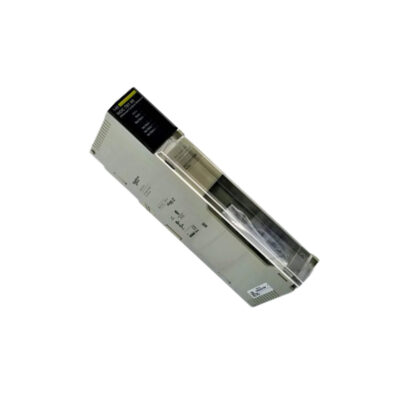
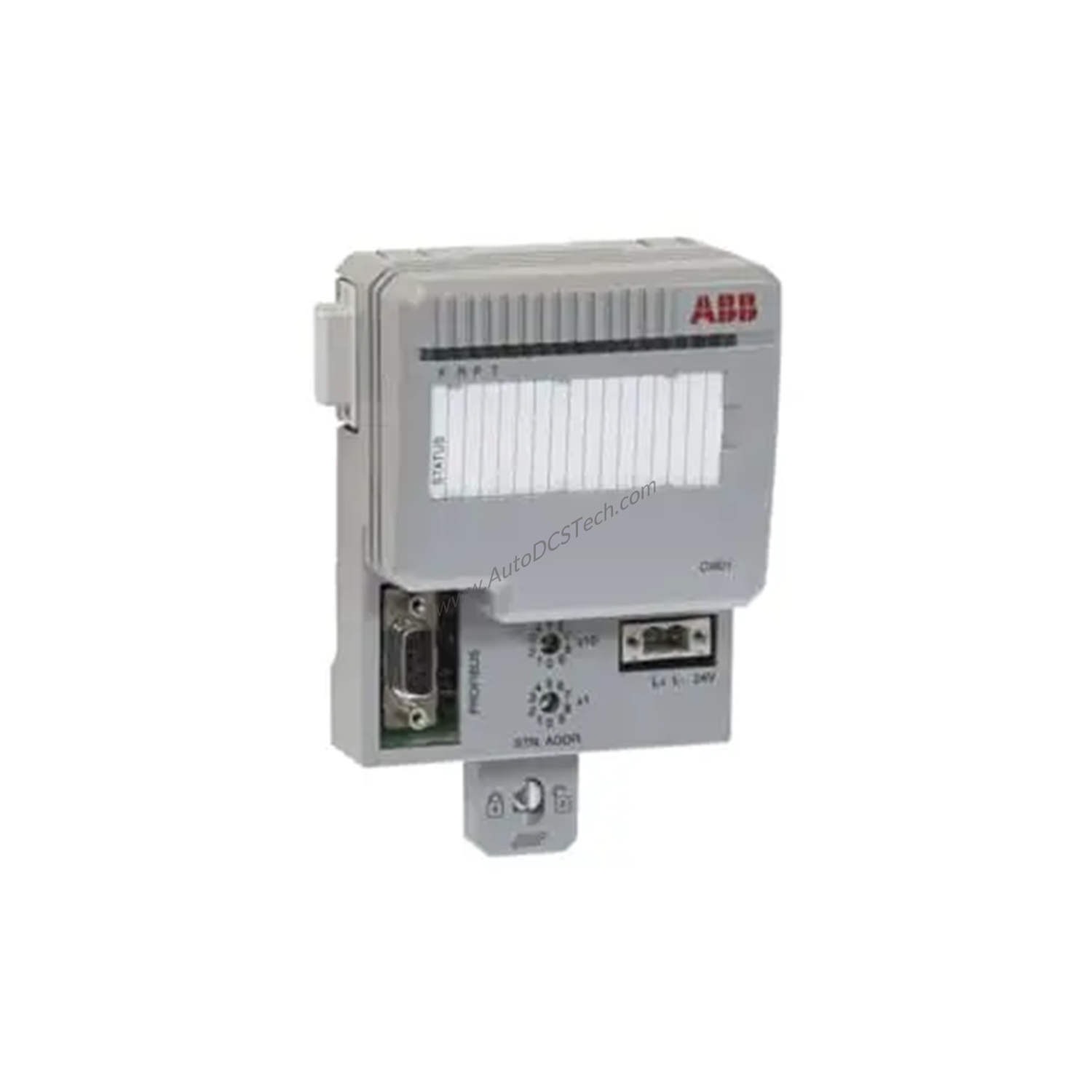
When integrating distributed I/O into a process automation system, reliable communication between field devices and controllers is critical. The ABB CI801 Fieldbus Communication Interface (FCI) module, part of the S800 I/O family, provides a configurable connection via the PROFIBUS-DPV1 fieldbus. It handles signal processing, supervision information gathering, OSP handling, and HART pass-through, making it a versatile choice for modern industrial plants.
Technical Specifications Breakdown
The CI801 operates as a PROFIBUS DP-V1 slave, supporting a 24 V consumption of 140 mA typical. It features an isolated power supply to I/O modules and includes input power fusing for added protection. The module supports hot configuration in run, allowing system updates without downtime. Environmental certifications include CE marking, electrical safety per EN 61010-1 and UL 61010-1, hazardous location approvals (C1 Div 2 cULus, C1 Zone 2 cULus, ATEX Zone 2), and marine certificates from ABS, BV, DNV-GL, and LR. Operating temperature range is 0 to +55 °C, with storage from -40 to +70 °C. The module measures 85.8 mm wide, 136 mm high, and 58.5 mm deep, weighing 0.3 kg.
Industry Applications
In chemical processing plants, the CI801 enables reliable communication between S800 I/O modules and a central controller over PROFIBUS-DPV1, handling HART pass-through for smart field devices. In oil and gas facilities, its hazardous location approvals (ATEX Zone 2, C1 Div 2) make it suitable for use in potentially explosive atmospheres. The hot configuration in run feature is particularly valuable in continuous processes where downtime must be minimized.
Installation & Setup Guidance
Mount the CI801 on a standard DIN rail within an IP20 enclosure. Ensure proper grounding and use the recommended 24 V DC power supply. Connect the PROFIBUS-DPV1 cable to the designated port, configuring the slave address via the module's DIP switches or software tool. Verify that the bus termination resistors are set correctly at the ends of the segment. For vertical mounting, the maximum ambient temperature is 40 °C; otherwise, 55 °C is permissible.
Maintenance & Reliability
Regular inspection of the CI801 includes checking the status LEDs for communication errors and verifying that the power supply remains within specification. The module's isolated power supply and fused input protect against common electrical faults. Given its corrosion protection rating (ISA-S71.04: G3), it is suitable for harsh environments with corrosive gases. Periodic cleaning of the enclosure with a dry cloth ensures proper heat dissipation.
Compatibility & Integration
The CI801 is designed for use with ABB's S800 I/O system and communicates with HI Controllers over PROFIBUS-DPV1. It does not support line or module redundancy, nor hot swap. It is compatible with various parent controllers and PLCs that support the PROFIBUS-DPV1 protocol.
Selection Guide & Purchasing Advice
Before purchasing the CI801 (article number 3BSE022366R1), verify that your controller supports PROFIBUS-DPV1 and that your system requires a slave interface. Consider the number of I/O modules to be connected and the total power budget. The CI801 is a reliable choice for new installations or upgrades within the S800 I/O ecosystem. For current availability and lifecycle status, contact AutoDCSTech, a trusted supplier of industrial automation parts.
Availability & Condition at AutoDCSTech
| Part Number | CI801 |
|---|---|
| Availability | In Stock |
| Condition | New |
| Warranty | One Year |
| Origin | Switzerland |