Product Overview
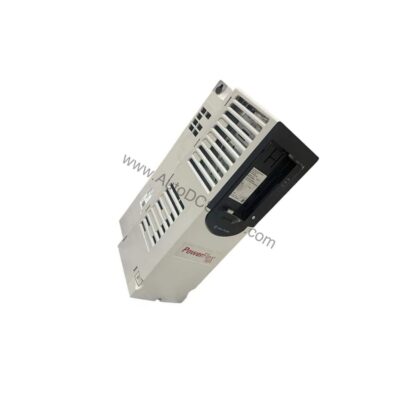
The Allen-Bradley 1746-FIO4V is a SLC 500 Analog Combination Module from Rockwell Automation. This module integrates two (2) analog inputs and two (2) voltage outputs in a single unit, streamlining control system design. It is engineered for applications requiring fast, accurate signal processing within the SLC 500 platform. By combining input and output channels, it reduces wiring complexity and chassis slot usage, offering a cost-effective solution for process monitoring and modulation.
Technical Specifications Breakdown
Key parameters for the 1746-FIO4V are listed below for quick reference:
| Feature | Specification |
|---|---|
| Module Type | Analog Combination Module |
| Number of Inputs | Two (2) |
| Number of Outputs | Two (2) |
| Input Signal Type | Voltage / Current |
| Input Signal Range | 0…20 mA (nom); 0…30 mA (max) |
| Output Signal Type | Voltage |
| Output Signal Range | –10 … 10V – 1 LSB (normal) |
| Resolution | 12 bits in, 14 bits out |
| Update Time | 512 microseconds |
| Step Response | 100 milliseconds in, 2.5 milliseconds out |
| Bandwidth | 7 kilohertz |
| Backplane Current (5 Volts) | 55 milliamps |
| Backplane Current (24 Volts) | 150 milliamps |
Industry Applications
Process Control and Monitoring
This module is well-suited for closed-loop control systems where precise analog input reading and voltage output are required. For example, it can read a 4-20 mA signal from a pressure transmitter and output a 0-10 VDC signal to a valve positioner. The fast update time of 512 microseconds ensures responsive adjustments in dynamic processes.
Machine Automation
In manufacturing, the 1746-FIO4V can interface with sensors and actuators for tasks like speed control of variable frequency drives (VFDs) or positioning of linear actuators. Its 7 kHz bandwidth supports applications needing high-frequency signal conditioning.
Data Acquisition
Use this module to log analog data from multiple sources, such as temperature or flow sensors, and output conditioned signals to recorders or indicators. The two inputs and two outputs provide flexibility for small-scale data acquisition systems.
Installation & Setup Guidance
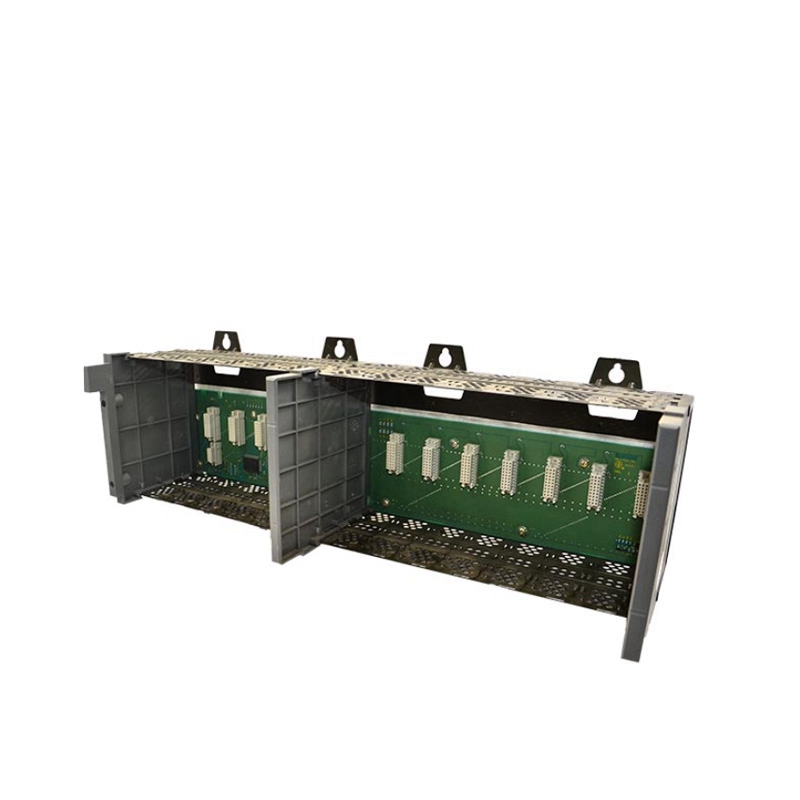
When installing the 1746-FIO4V into a SLC 500 chassis, follow these best practices:
- Slot Selection: Place the module away from AC wiring and high-voltage DC sources to minimize electrical noise interference. Avoid slots adjacent to the power supply if possible.
- Wiring: Use 14 AWG connecting cable for field wiring. Ensure all connections are secure and comply with local electrical codes.
- Configuration: Configure each input channel for either 0-20 mA or 0-10 VDC signal type as needed. Output channels are grouped and set for -10 to +10 VDC range.
- Isolation: The module provides 500V DC backplane isolation, protecting the controller from field-side faults.
Maintenance & Reliability
To maintain reliable operation, inspect the module periodically for signs of environmental stress. The 1746-FIO4V is designed for non-condensing relative humidity of 5-95%. Keep the chassis area clean and free of dust. No user-serviceable parts are inside; contact AutoDCSTech for any service needs.
Compatibility & Integration
The 1746-FIO4V is exclusively compatible with the Allen-Bradley SLC 500 controller platform. It uses 16-bit two’s complement binary communication over the backplane. Ensure your SLC 500 processor supports analog combination modules and that the chassis has adequate backplane current (55 mA at 5V, 150 mA at 24V).
Selection Guide & Purchasing Advice
When selecting the 1746-FIO4V, consider your input and output requirements. For larger systems, multiple modules can be combined. Contact AutoDCSTech for current lifecycle status and availability before ordering.
Troubleshooting & Common Issues
- No Output Signal: Verify the module is properly seated in the chassis and that backplane power is within specifications. Check output configuration settings.
- Inaccurate Input Readings: Ensure input signal type (current or voltage) matches the configuration. Check for wiring errors or signal noise.
- LED Status Indicator: The module includes a status LED. If it does not illuminate, check power and chassis connection.
Availability & Condition at AutoDCSTech
| Part Number | 1746-FIO4V |
|---|---|
| Availability | In Stock |
| Condition | New |
| Warranty | One Year |
| Origin | US |