Product Overview
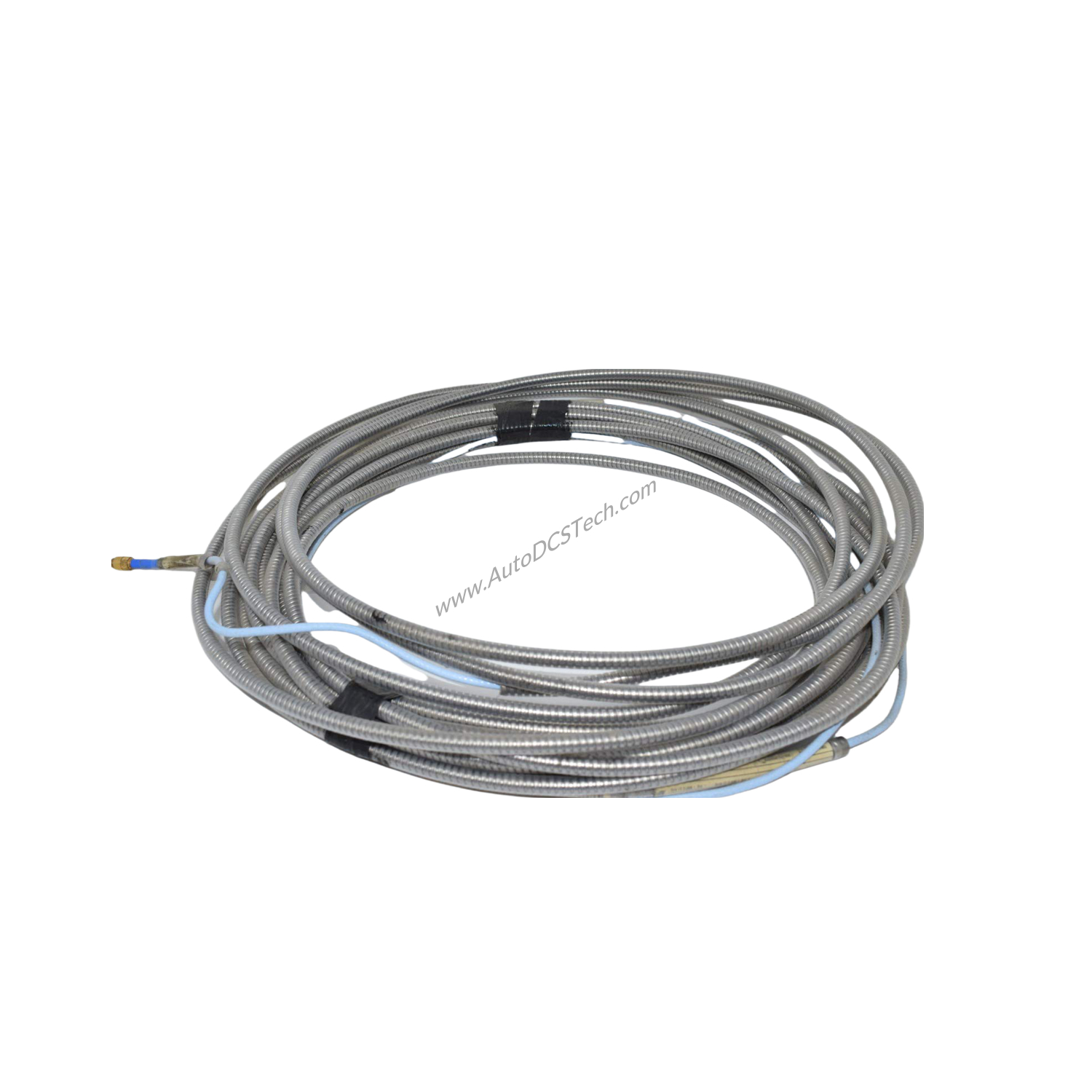
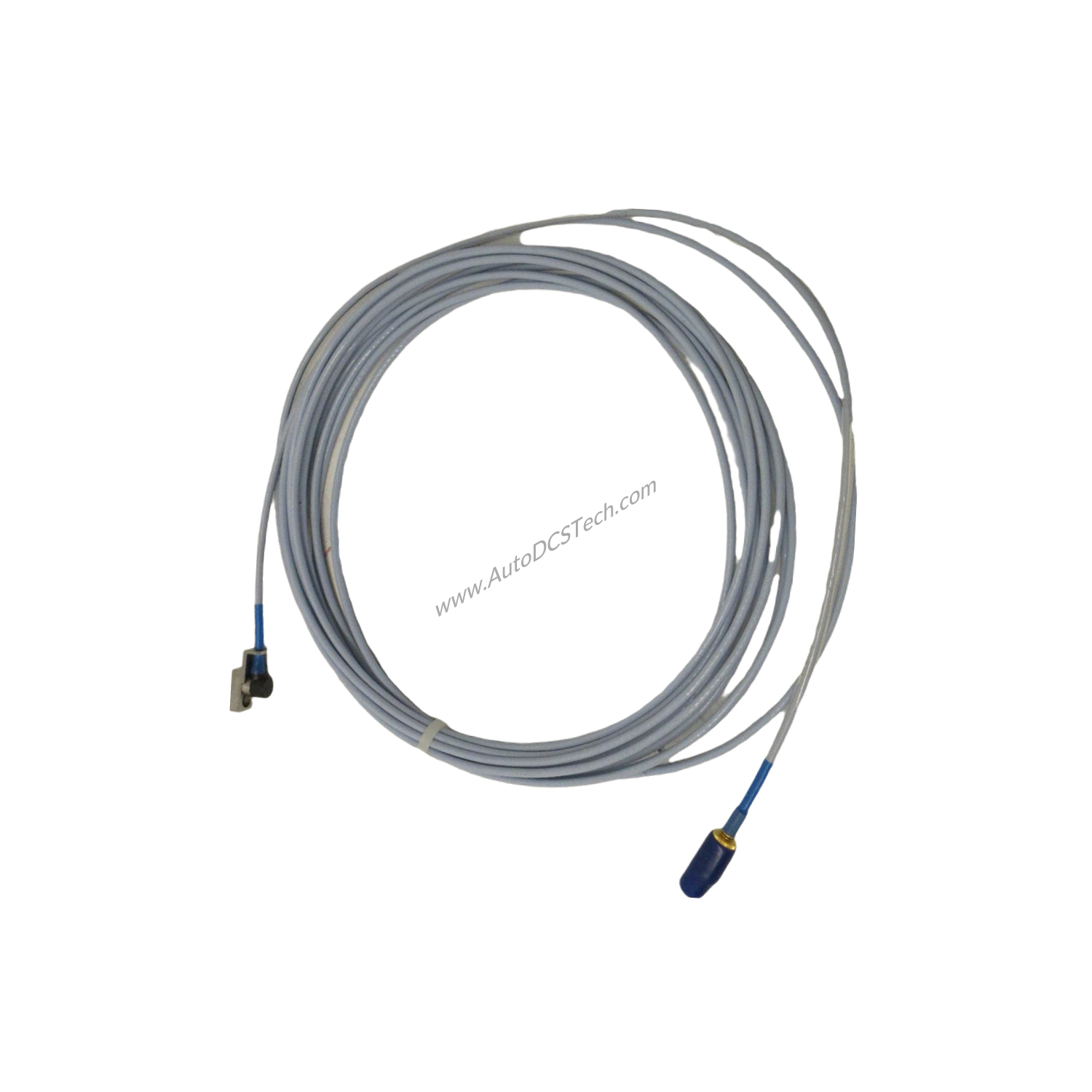
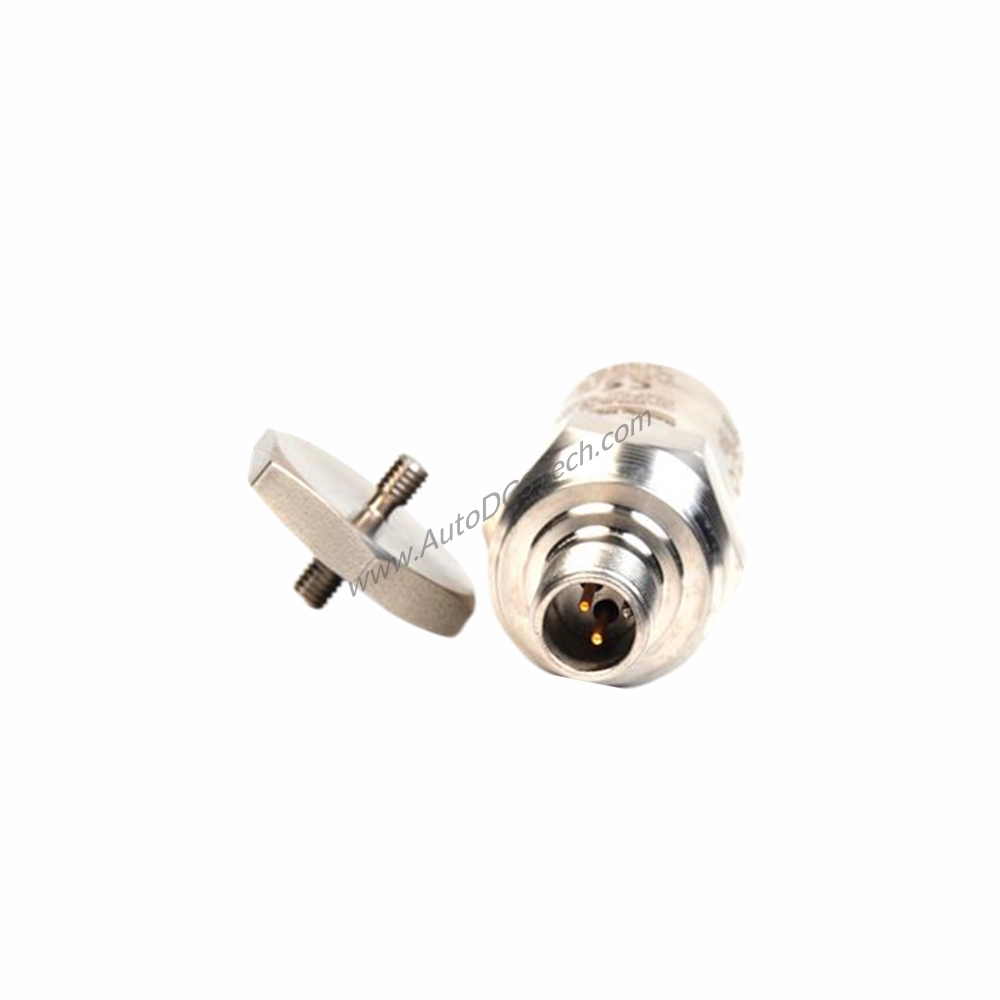
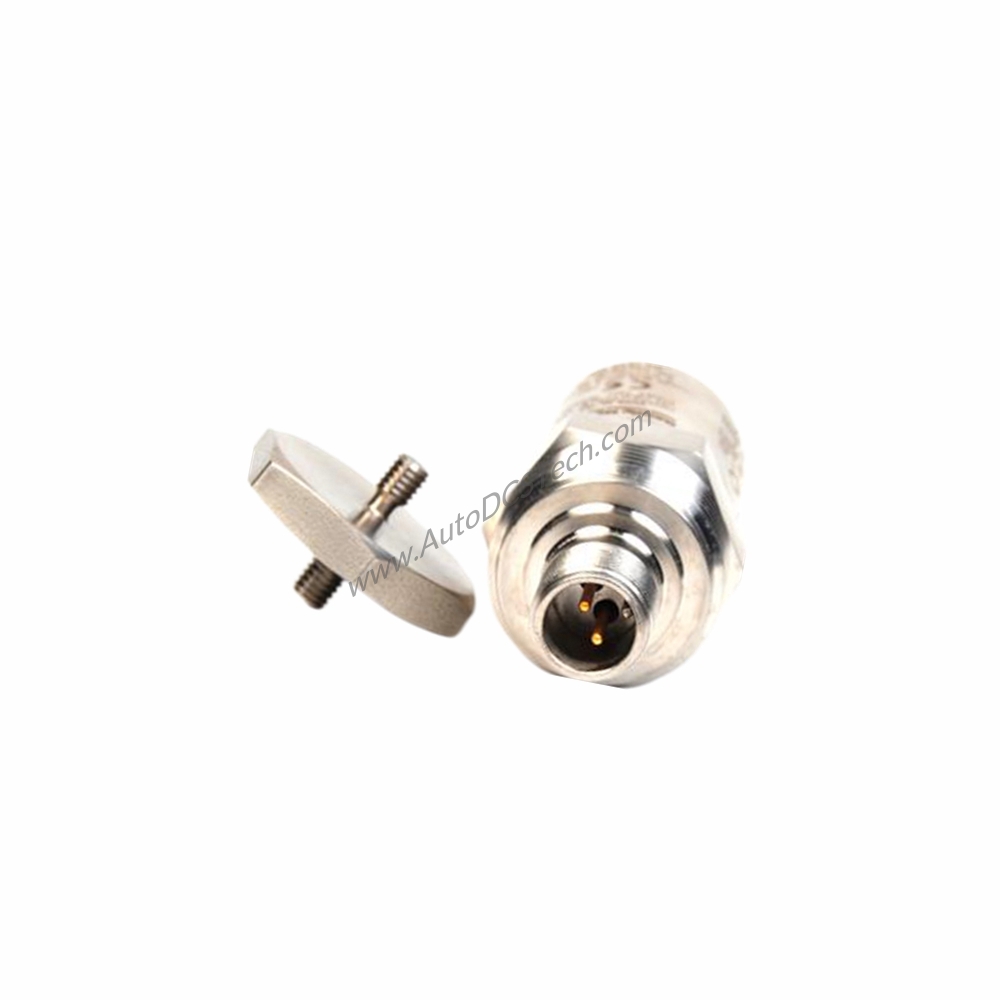
When unplanned downtime strikes rotating machinery, the Bently Nevada 190501-13-00-CN Velomitor CT Velocity Transducer delivers the precise vibration data needed to diagnose issues early. This sensor converts mechanical velocity into an electrical signal, enabling predictive maintenance that reduces costly repairs and production losses. Built for harsh industrial environments, it provides accurate measurements over a wide frequency range, ensuring you catch problems before they escalate.
Technical Specifications Breakdown
Sensitivity and Accuracy
With a sensitivity of 3.94 mV/mm/s (100 mV/in/s) ±5%, the 190501-13-00-CN captures even subtle vibration changes. This high sensitivity means early fault detection, translating into lower maintenance costs and extended equipment life. The ±2% amplitude linearity up to 63.5 mm/s pk ensures reliable readings across the measurement range, reducing false alarms and unnecessary inspections.
Frequency Response
Covering 3.0 Hz to 900 Hz (180 to 54,000 cpm) ±1.0 dB and extending to 1.5 Hz to 1.0 kHz (90 to 60,000 cpm) ±3.0 dB, this transducer monitors a broad spectrum of machine dynamics. This wide bandwidth allows it to detect both slow-speed imbalances and high-frequency bearing faults, helping you avoid catastrophic failures that lead to expensive downtime.
Environmental Durability
Operating from -40°C to +85°C (-40°F to +185°F) and with a shock limit of 5000 g pk, the sensor withstands extreme conditions. The 316L stainless steel case resists corrosion, while the 100% condensing humidity rating ensures reliable performance in wet environments. This ruggedness reduces replacement frequency, lowering total cost of ownership.
Industry Applications
Turbine Monitoring
In power generation turbines, the 190501-13-00-CN tracks vibration trends to schedule maintenance during planned outages rather than emergency shutdowns. Its 305-meter cable length capability allows remote placement from monitoring systems, saving installation costs.
Pump and Compressor Protection
For critical pumps and compressors in oil and gas facilities, the transducer's low base strain sensitivity (0.43 mm/s/μstrain) minimizes false readings from pipe stress. This accuracy reduces unnecessary maintenance interventions, directly improving operational efficiency.
Installation and Setup Guidance
Mount the transducer using the 3 quick disconnect stud option with a torque of 4.5 N-m ± 0.6 N-m (40 in–lbf ± 5 in-lbf). Ensure the mounting surface is clean and flat (33 mm diameter) to achieve the 9 kHz minimum mounted resonant frequency. The MIL-C-5015 connection interface simplifies wiring, and the sensor can be installed in any orientation. Use part number 02173006 cable up to 305 meters without signal degradation, reducing material costs.
Maintenance and Reliability
Regularly inspect the cable and connector for damage, especially in high-vibration areas. The internal electronics are isolated from the case, so no grounding adjustments are needed. With a typical broadband noise floor of 0.229 mm/s (0.009 in/s) pk, the transducer maintains signal integrity over time, minimizing recalibration expenses.
Selection Guide and Purchasing Advice
Before ordering the 190501-13-00-CN, verify your system's input requirements and cable length needs. SpareTechPLC stocks this model with the CN agency approval option, ensuring compliance for your region. Contact our team to confirm current lifecycle status and availability, so you avoid supply chain delays.
Frequently Asked Questions
Q: What is the output bias voltage of the 190501-13-00-CN?
A: The output bias voltage is 10.1 Vdc ± 1.0 Vdc on Pin A referenced to Pin B.
Q: Can this transducer be used in hazardous areas?
A: Yes, with agency approval options 01 through 04, it is intrinsically safe Ex ia IIC T4 and non-incendive Ex nL IIC T4 for Class I, Div 1 and Div 2 locations.
Q: What is the maximum cable length without signal degradation?
A: Up to 305 meters (1,000 ft.) of cable (part number 02173006) can be used with no signal loss.
Q: How does the transducer handle transverse vibration?
A: Transverse response is less than 5% of the axial sensitivity, ensuring accurate readings in the primary measurement axis.
Q: What mounting torque should I use?
A: Apply 4.5 N-m ± 0.6 N-m (40 in–lbf ± 5 in-lbf) to secure the transducer.