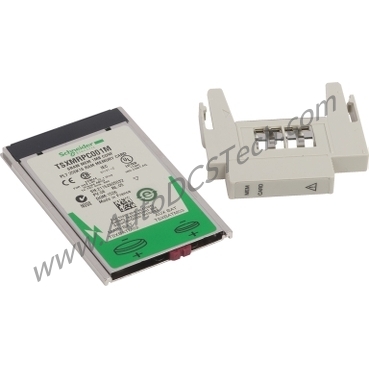
Technical Specifications Breakdown
The TSXMBP100 operates with a data transfer rate of 1 Mbps, ensuring rapid communication between controllers and peripherals. It consumes 220 mA at 5 V DC, demonstrating efficient power management for continuous operation. The card includes LED indicators for immediate status feedback, simplifying troubleshooting and system monitoring. With a 68-pin PCMCIA connector, it guarantees a secure and reliable physical connection.
Installation and Setup Guidance
To install the TSXMBP100, insert the PCMCIA card type III into the appropriate slot on the host device until it clicks into place. Verify that the 68-pin connector aligns correctly to avoid damage. After installation, check the LED indicators to confirm power and communication status. Refer to the device manual for specific configuration steps related to Modbus Plus network settings.
Maintenance and Reliability
Regular inspection of the TSXMBP100 is recommended to ensure optimal performance. Periodically check the card's seating and connector integrity, especially in high-vibration environments. The card's robust design minimizes wear, but maintaining a clean, dry environment within specified temperature and humidity ranges extends service life. Follow manufacturer guidelines for any cleaning or handling procedures.
Robust Environmental Performance
Engineered for industrial resilience, the TSXMBP100 withstands vibration of 1.5 mm peak to peak from 3 to 13 Hz and 1 g from 13 to 150 Hz, along with shock resistance of 15 g for 11 ms. It operates in temperatures from 0 to 60 °C and can be stored between -40 and 85 °C. Humidity tolerance of 5 to 95% non-condensing ensures reliable function in varied climates. These specs make it suitable for manufacturing plants, process control, and material handling systems.
The Evolution of Industrial Communication: Introducing the TSXMBP100
As factory floors evolved from isolated machines to interconnected systems, the need for reliable, high-speed data exchange became critical. The Schneider Electric TSXMBP100 PCMCIA card type III addresses this challenge head-on, providing a compact yet powerful communication interface for the TSX Micro PLCs series. Designed to integrate with Modbus Plus networks, this card enables efficient data management and real-time monitoring in demanding industrial environments.
Compatibility and Integration
The TSXMBP100 is compatible with Magelis XBT F terminals, Premium processor TSX 57 (versions 1 through 5), and Atrium slot-PLC T PCX/TSX PCI 57 (versions 2 and 3). It uses the Modbus Plus communication protocol, a widely adopted industrial network standard. This compatibility simplifies integration into existing Schneider Electric automation architectures, reducing engineering time and costs.
Selection Guide and Purchasing Advice
Before purchasing the TSXMBP100, verify that your host device supports PCMCIA card type III and Modbus Plus protocol. Confirm compatibility with your specific PLC model using the list provided. AutoDCSTech stocks this card and can assist with availability and lifecycle status. Contact our team to ensure the TSXMBP100 meets your application requirements before ordering.
Availability & Condition at AutoDCSTech
| Part Number | TSXMBP100 |
|---|---|
| Availability | In Stock |
| Condition | New |
| Warranty | One Year |
| Origin | France |