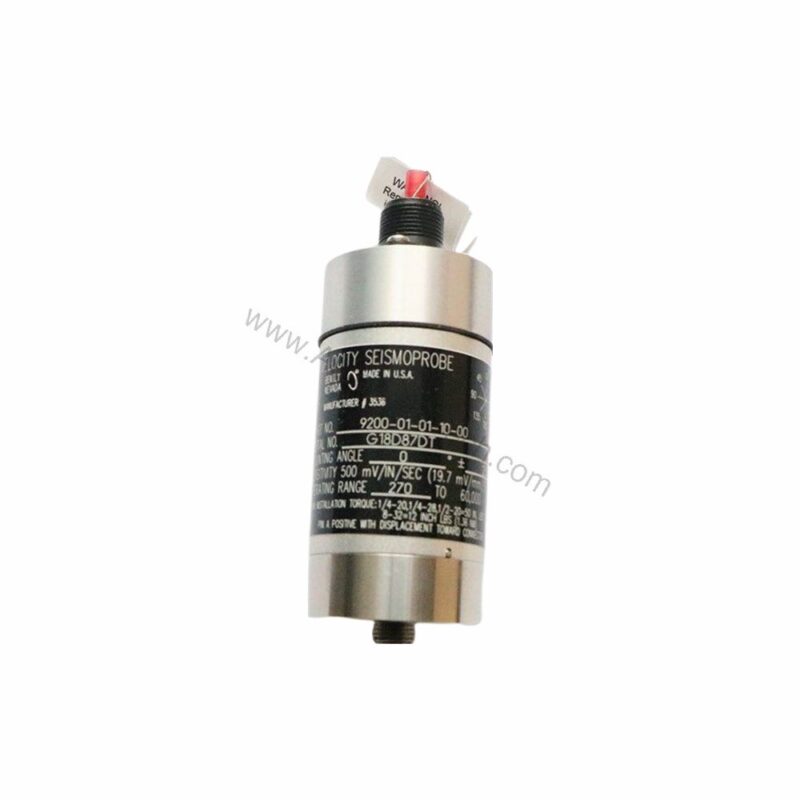
Introduction to the 9200-03-24-10-00
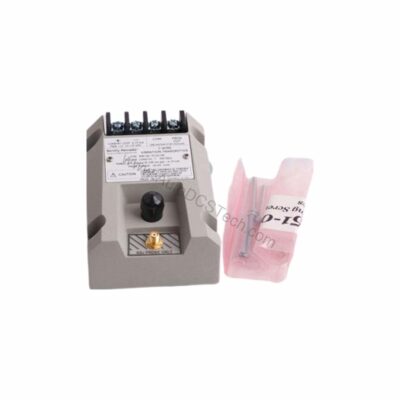
When machinery vibration threatens uptime, the 9200-03-24-10-00 from Bently Nevada provides reliable measurement. This Two-Wire Velocity Seismoprobe Transducer is engineered for continuous monitoring in demanding industrial environments. It converts casing vibration into a proportional electrical signal, enabling early detection of mechanical faults.
With a sensitivity of 20 mV/mm/s (±5% when properly terminated), this transducer delivers accurate data for condition monitoring. Its dynamic operating range of 2.54 mm (0.100 in) peak-to-peak maximum displacement covers typical vibration amplitudes in rotating equipment.
The 9200-03-24-10-00 is supplied new in factory packing and includes a 12-month warranty from AutoDCSTech. This ensures you receive a genuine, ready-to-install component.
Key Features and Technical Specifications
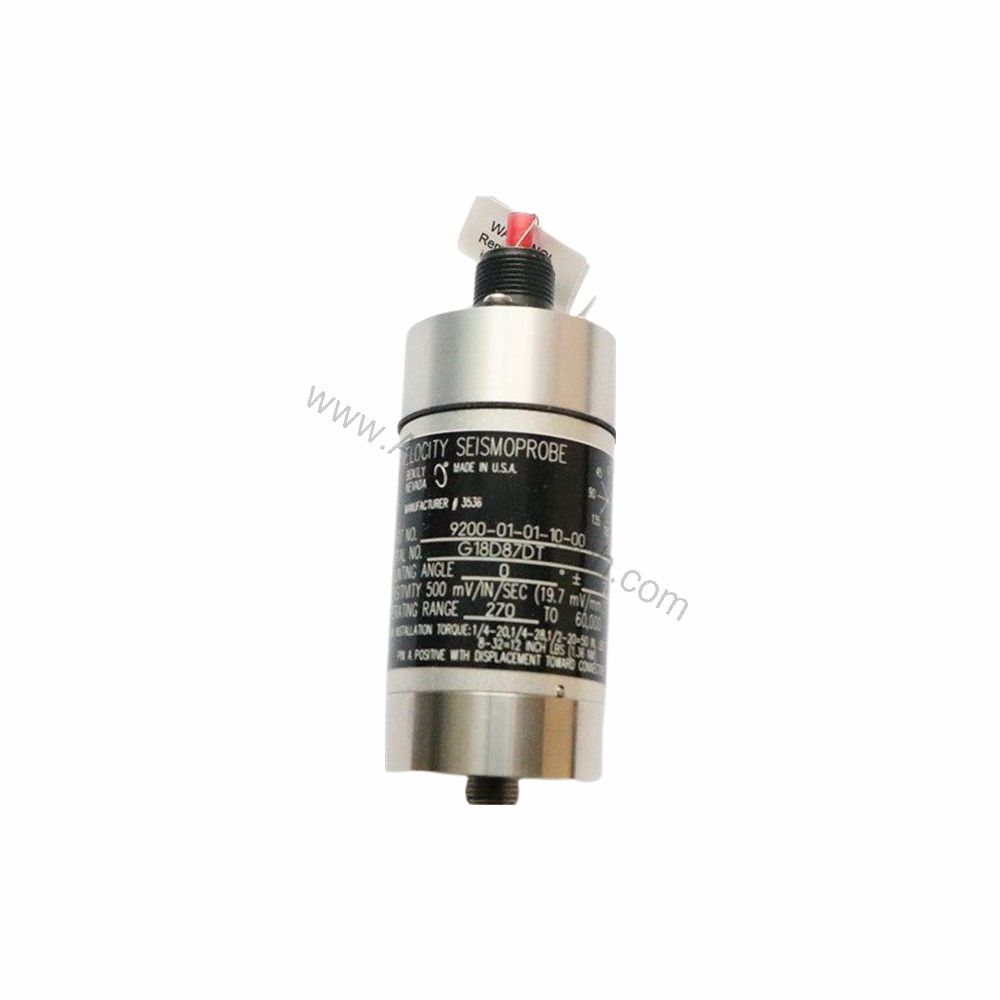
The table below summarizes the critical parameters of the 9200-03-24-10-00. Each value is directly from the manufacturer's datasheet.
| Parameter | Value |
|---|---|
| Sensitivity | 20 mV/mm/s (500 mV/in/s) ±5% |
| Calibration Load | 10 kΩ, output across pins A and B |
| Sensitivity Temperature Coefficient | 0.2%/°C |
| Dynamic Operating Range | 2.54 mm (0.100 in) peak-to-peak maximum |
| Velocity Range | 25 mm/s (1 in/s) at +22°C, 100 Hz, 10 kΩ load |
| Coil Resistance | 1.25 kΩ ±5% |
| Locked Coil Inductance | 125 mH typical |
| Operating/Storage Temperature (9200) | -29°C to +121°C (-20°F to +250°F) |
| Relative Humidity | To 95% noncondensing; 100% non-submerged with integral cable |
| Case Material | Anodized aluminum A204 |
| Gasket Material | Neoprene |
| Height | 102 mm (4 in) typical |
| Diameter | 41 mm (1.6 in) typical |
| Weight | 300 grams (10.5 oz) typical |
These specifications enable precise vibration measurement, which directly reduces maintenance costs by identifying issues before catastrophic failure. For example, the 0.2%/°C temperature coefficient ensures minimal drift across the operating range, lowering false alarm rates and associated downtime.
Cost-Benefit Analysis: Why This Transducer Saves Money
Investing in the 9200-03-24-10-00 yields long-term savings through improved reliability. Its robust design, including anodized aluminum housing and neoprene gasket, extends service life in harsh environments. This reduces replacement frequency and associated labor costs.
The wide temperature range (-29°C to +121°C) allows deployment in extreme conditions without additional protection, cutting installation expenses. Furthermore, the dust and moisture resistance minimizes maintenance interventions, lowering total cost of ownership.
By providing accurate velocity data, this transducer enables predictive maintenance strategies. Consequently, you avoid unplanned shutdowns, which often cost thousands per hour. The 10 kΩ calibration load ensures consistent output, reducing signal conditioning costs.
Applications and Use Cases
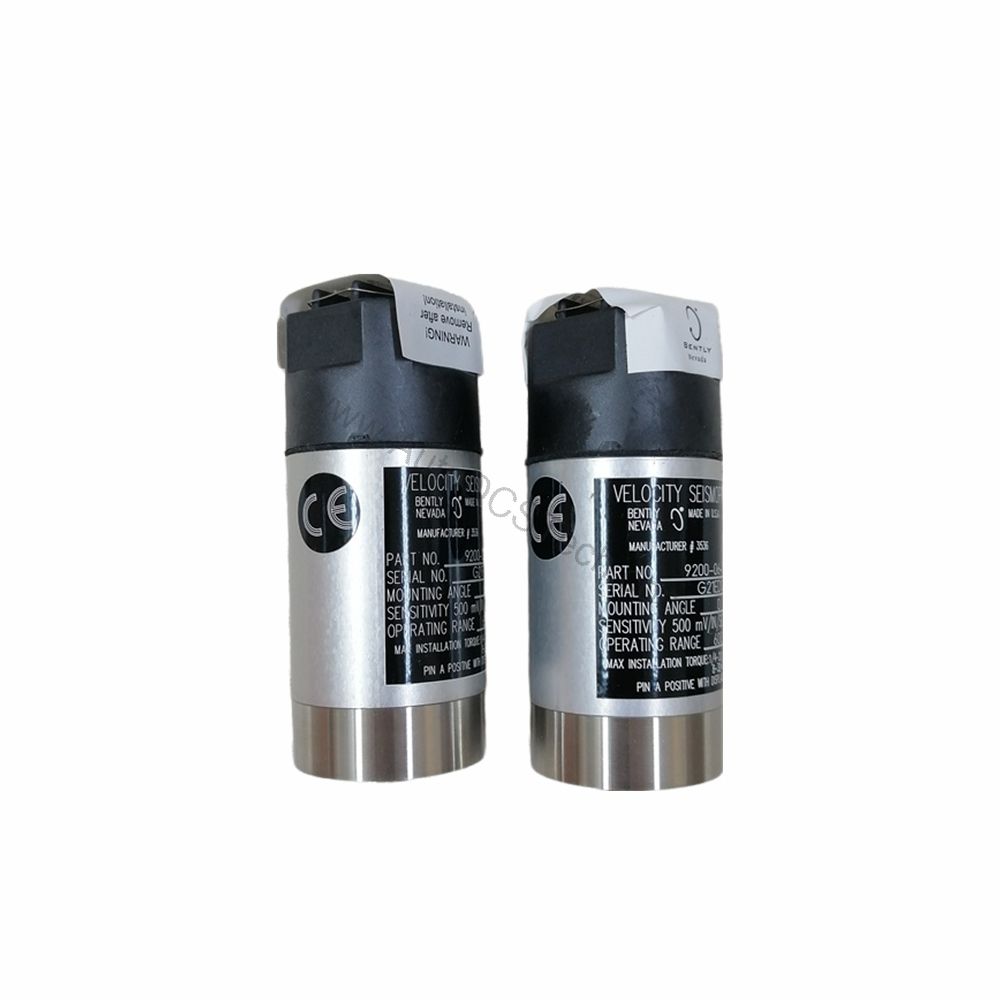
The 9200-03-24-10-00 is ideal for monitoring rotating machinery such as pumps, motors, and fans. Its two-wire configuration simplifies wiring, reducing installation time and material costs. For example, in a petrochemical plant, this transducer can monitor compressor casing vibration, helping to prevent seal failures.
Moreover, its 90° mounting angle option (specified by option 03) allows flexible installation in tight spaces. This adaptability reduces the need for custom brackets, saving engineering time. The 24-foot connector option provides ample cable length for remote monitoring, minimizing junction box requirements.
In addition, the transducer's velocity output is directly compatible with Bently Nevada monitoring systems, ensuring seamless integration. This compatibility reduces commissioning effort and potential integration errors.
Installation and Setup Guidance
Proper installation is crucial for accurate measurements. Mount the transducer at the specified angle (90° ±2.5°) to maintain calibration. Use the M10X1 stud (mounting base option 10) to secure it firmly to the machine surface.
Ensure the cable is routed without sharp bends to avoid damage. Connect the output across pins A and B with a 10 kΩ load as per calibration. Verify the orientation matches the calibration angle to achieve ±5% sensitivity accuracy.
For optimal performance, avoid mounting on surfaces with excessive paint or coatings, as this can dampen vibration transmission. Tighten the stud to the manufacturer's recommended torque, but do not overtighten, which could distort the housing.
Maintenance and Reliability Tips
Regular inspection of the transducer and its cable is essential. Check for physical damage, loose mounting, or corrosion on connectors. Because the unit is dust and moisture resistant, it requires minimal cleaning—simply wipe with a dry cloth if needed.
Periodically verify the output signal against a known vibration source to confirm calibration drift. The 0.2%/°C temperature coefficient means that significant temperature changes could affect readings, so monitor ambient conditions.
By following these simple steps, you extend the transducer's life and maintain measurement integrity. This proactive approach reduces unexpected failures and associated repair costs.
Troubleshooting Common Issues
If you encounter erratic readings, first check the cable connection and load resistance. A 10 kΩ load is required; a different value will affect sensitivity. Ensure the transducer is mounted at the correct angle, as deviation causes measurement error.
If output is zero, verify that the coil is intact by measuring coil resistance (should be 1.25 kΩ ±5%). Also, confirm that the transducer is not subjected to temperatures beyond -29°C to +121°C, which could damage internal components.
For persistent issues, consult the Bently Nevada manual or contact AutoDCSTech for technical support. Do not attempt to disassemble the unit, as this voids warranty and may compromise safety.
Product Support and Availability
The 9200-03-24-10-00 is available from AutoDCSTech, a trusted supplier of industrial automation parts. It is in stock and ready to ship. For ordering or technical questions, contact AutoDCSTech directly.
Please verify current lifecycle status and availability with AutoDCSTech before ordering.