Case Study: Solving Vibration Monitoring Challenges with the 990-08-70-01-00
Imagine a rotating machinery train in a petrochemical plant where unplanned shutdowns cost thousands per hour. The engineering team needs continuous vibration data to detect early bearing wear, but the existing system lacks a simple, loop-powered solution. The 990-08-70-01-00 from Bently Nevada provides a direct 4-20 mA signal proportional to shaft vibration, enabling integration with existing PLCs and DCSs without complex setup.
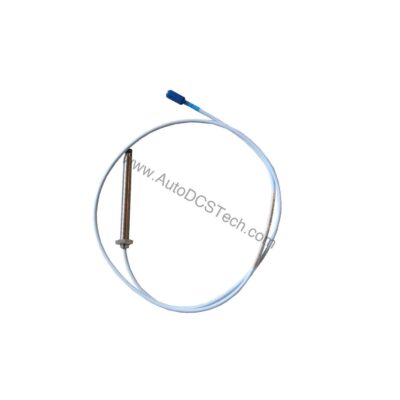
This transmitter accepts one non-contacting 3300 NSv proximity probe and extension cable, converting probe gap changes into a standard analog signal. With a full-scale range of 0-8 mils pp (0-200 μm pp), it captures essential vibration amplitude for predictive maintenance. The 990-08-70-01-00 is designed for reliability and ease of use, making it a practical choice for retrofits and new installations alike.
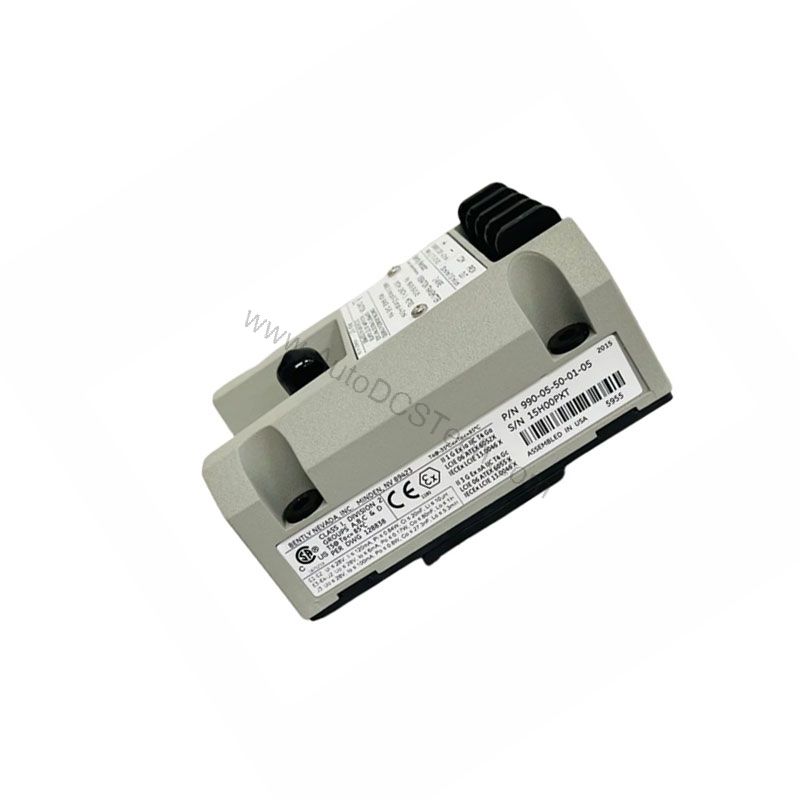
Key Features and Technical Specifications of the 990-08-70-01-00
The 990-08-70-01-00 offers a robust set of features tailored for industrial vibration monitoring. Its 2-wire configuration simplifies wiring, while the non-interacting zero and span adjustments allow quick calibration without cross-talk. The signal output goes to less than 3.6 mA within 100 µs after a Not OK condition, ensuring fast fault indication.
- Full-scale option: 0-8 mils pp (0-200 μm pp)
- System length: 7.0 meters (23.0 feet)
- Mounting: 35 mm DIN rail clips
- Input: Accepts 1 non-contacting 3300 NSv probe and extension cable
- Power: Requires +12 to +35 Vdc input at the transmitter terminal
- Maximum loop resistance: 1,000 Ω including cable at 35 Vdc
- Current limiting: 23 mA typical
- Output: 4 to 20 mAdc over specified full-scale range
- Accuracy: Within ±1.5% over specified full-scale range
- Frequency response: 5 Hz to 6,000 Hz +0, 3 dB
- Minimum target size: 9.5 mm (0.375 in) diameter
- Leadwire length: Maximum 3 meters (10 feet) for Proximitor Sensor Output (BNC connector)
One distinctive spec is the fast Not OK response: the signal drops below 3.6 mA within 100 µs, which is crucial for triggering alarms in safety-critical applications. This rapid response helps prevent damage by alerting operators to probe faults immediately.
Real-World Applications of the 990-08-70-01-00
In industries such as oil and gas, power generation, and manufacturing, the 990-08-70-01-00 is used to monitor vibration on pumps, motors, fans, and compressors. Its 4-20 mA output integrates seamlessly with existing control systems, enabling continuous monitoring without additional signal conditioning. For example, in a water treatment plant, the transmitter can be mounted on a critical pump to provide real-time vibration data, allowing maintenance teams to schedule repairs before failure occurs.
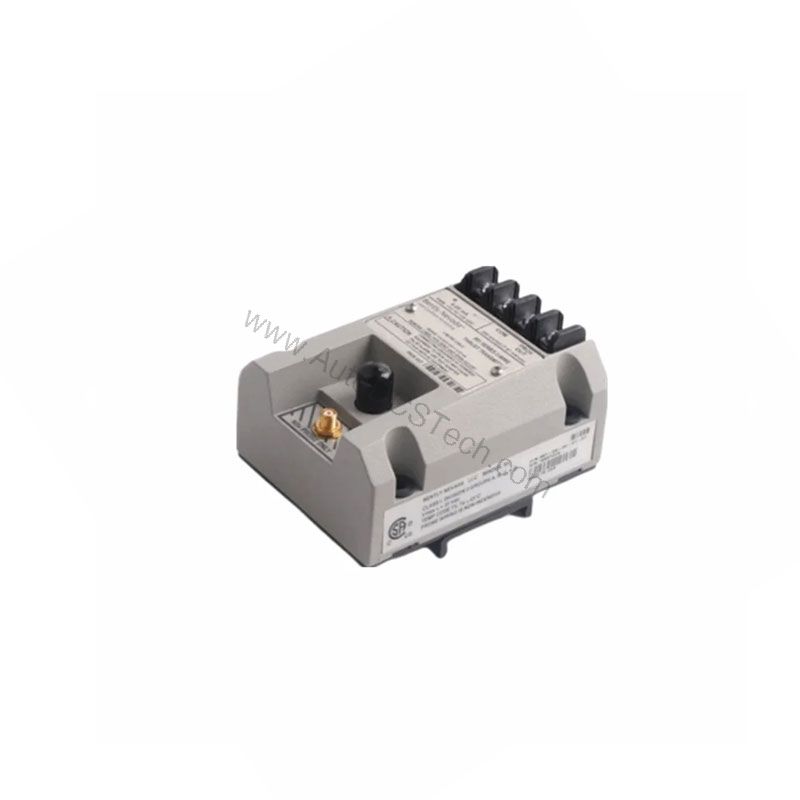
Moreover, the DIN rail mounting option simplifies installation in control cabinets, saving space and reducing installation time. The transmitter's ability to accept a standard 3300 NSv probe makes it a versatile upgrade for legacy systems, as it can reuse existing probe installations.
Installation and Setup Guide
Proper installation is key to accurate vibration measurement. The 990-08-70-01-00 must be mounted securely using the provided 35 mm DIN rail clips. The probe must be gapped between 0.5 and 1.75 mm (20 and 55 mils) from the target to ensure full-scale range. Use the included extension cable, keeping the total leadwire length within the 3-meter limit for the Proximitor Sensor Output.
Power the transmitter with +12 to +35 Vdc at the terminal. Ensure the loop resistance does not exceed 1,000 Ω at 35 Vdc to maintain specified accuracy. After wiring, perform a zero and span adjustment using the non-interacting external adjustments to calibrate the output to the desired vibration range.
Maintenance and Reliability Tips
Regular inspection of the probe and cable is recommended to ensure reliable operation. Check for any physical damage or loose connections. The transmitter itself is solid-state and requires minimal maintenance, but periodic verification of the 4-20 mA output against a known vibration source can confirm accuracy.
Environmental factors such as extreme temperatures or vibration on the transmitter housing should be considered; however, the unit is designed for industrial environments. Following the manufacturer's manual for routine checks will help extend service life and prevent unexpected failures.
Compatibility and Integration
The 990-08-70-01-00 is designed to work with Bently Nevada's 3300 NSv proximity probe system. Its 4-20 mA output is universally accepted by PLCs, DCSs, and SCADA systems, making integration straightforward. The transmitter can be used in non-hazardous, Zone 2, or Div 2 hazardous area locations with a power supply of 28 V, as specified in the data.
Troubleshooting Common Issues
If the output signal is not within the expected range, first verify the probe gap and alignment. Check the loop resistance and ensure the power supply is within +12 to +35 Vdc. If the Not OK signal triggers, inspect the probe and cable for damage. The fast response of the 990-08-70-01-00 helps isolate faults quickly, reducing downtime.
Product Support and Availability
The 990-08-70-01-00 is available through AutoDCSTech. Contact our team for current pricing and lead times. We are ready to assist with technical questions and order fulfillment.