Introduction: Evolution of Vibration Monitoring
Industrial vibration monitoring has evolved from simple mechanical switches to sophisticated electronic transmitters. The 990-08-70-03-01 from Bently Nevada represents this advancement, offering reliable, continuous vibration measurement for rotating machinery. This transmitter converts proximity probe signals into a standardized 4-20 mA output, enabling seamless integration with modern control systems.
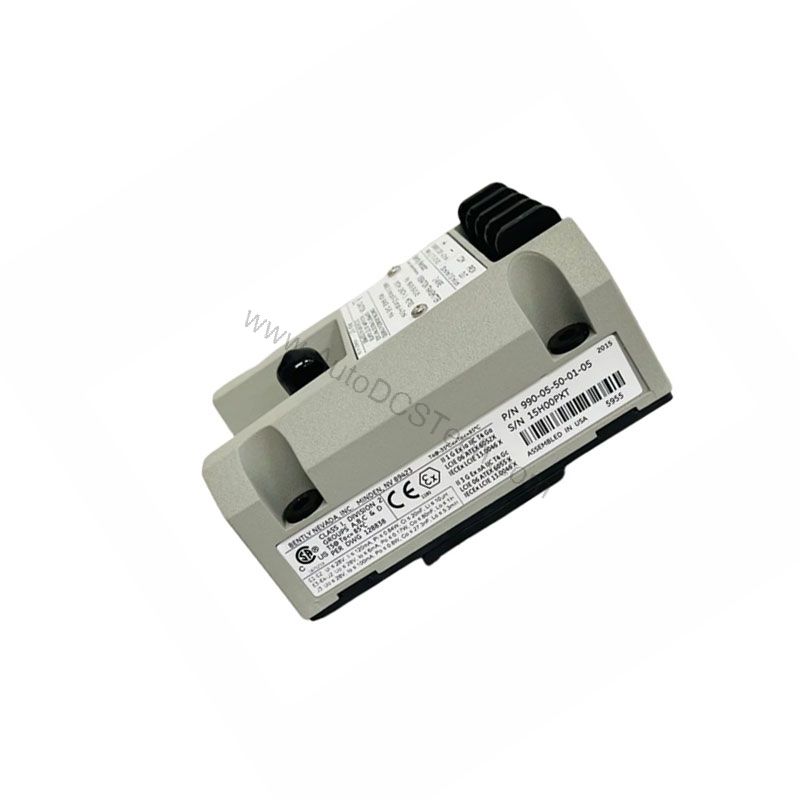
Key Features of the 990-08-70-03-01
- Accepts one non-contacting 3300 NSv Proximity Probe and extension cable.
- Requires +12 to +35 Vdc input at the transmitter terminal.
- Provides 4-20 mA signal output over the specified full-scale range in a 2-wire configuration.
- Offers 4-20 mA loop accuracy within ±1.5% over the full-scale range, measured from TEST signal input to voltage across a 250 Ω loop resistance.
- Features non-interacting external zero and span adjustments.
- Delivers frequency response from 5 Hz to 6,000 Hz +0, 3 dB.
- Includes NOT OK/signal defeat: output drops below 3.6 mA within 100 µs after a Not OK condition, restoring within 2-3 seconds after removal.
- Maximum loop resistance is 1,000 Ω including cable at 35 Vdc.
- Current limiting is 23 mA typical.
Performance Metrics and Specifications
The 990-08-70-03-01 is configured with a full-scale option of 0-8 mils pp (0-200 μm pp). The system length option is 7.0 meters (23.0 feet). Mounting uses DIN clips and screws. Agency approval includes CSA Division 2 for hazardous area locations.
Power supply is 28 V. The transmitter weight is 0.43 kg (0.9 lbm). Probe gap must be between 0.5 and 1.75 mm (20 and 55 mils) from the target to ensure full-scale range. Minimum target size is 9.5 mm (0.375 in) diameter. Maximum leadwire length for Proximitor Sensor Output (BNC connector) is 3 meters (10 feet).
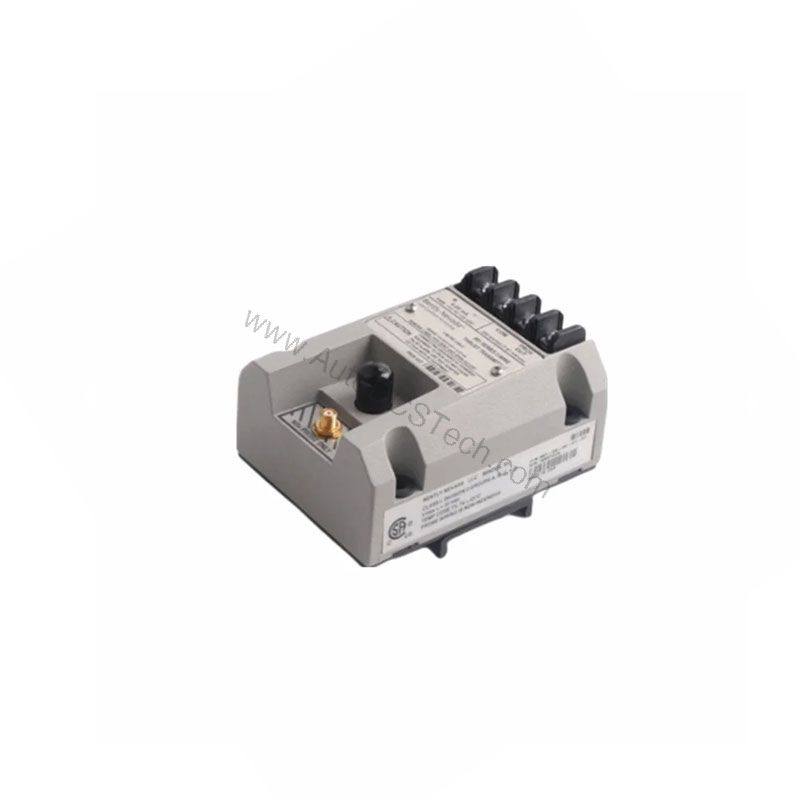
Applications and Use Cases
This vibration transmitter is ideal for monitoring rotating equipment such as pumps, motors, fans, and compressors. It provides real-time vibration data that helps detect imbalance, misalignment, and bearing wear. Consequently, maintenance teams can schedule repairs proactively, reducing unplanned downtime. Furthermore, its CSA Division 2 approval makes it suitable for hazardous environments, expanding its application scope.
Installation and Setup
Mount the transmitter using the provided DIN clips and screws. Connect the 3300 NSv proximity probe and extension cable to the input. Ensure the probe gap is set between 0.5 and 1.75 mm (20 and 55 mils) from the target. Wire the 4-20 mA output to a loop with a maximum resistance of 1,000 Ω at 35 Vdc. Adjust zero and span using the external non-interacting controls. Verify the power supply is within +12 to +35 Vdc.
Maintenance and Reliability
Regularly inspect the probe gap and cable connections. Verify the output signal responds correctly to vibration changes. Perform routine calibration checks to maintain accuracy. Since the transmitter is designed for continuous operation, periodic verification ensures long-term reliability. Follow the manufacturer's manual for detailed maintenance procedures.
Troubleshooting and Common Issues
If the output goes below 3.6 mA, a Not OK condition may exist. Check the probe gap, cable integrity, and power supply. Ensure the loop resistance does not exceed 1,000 Ω. If the signal is unstable, verify the target size meets the minimum 9.5 mm (0.375 in) diameter. For persistent issues, consult the Bently Nevada documentation or contact AutoDCSTech.
Product Support and Availability
The Bently Nevada 990-08-70-03-01 vibration transmitter is available through AutoDCSTech. Contact our team for pricing and lead times. We ensure genuine parts and reliable delivery.