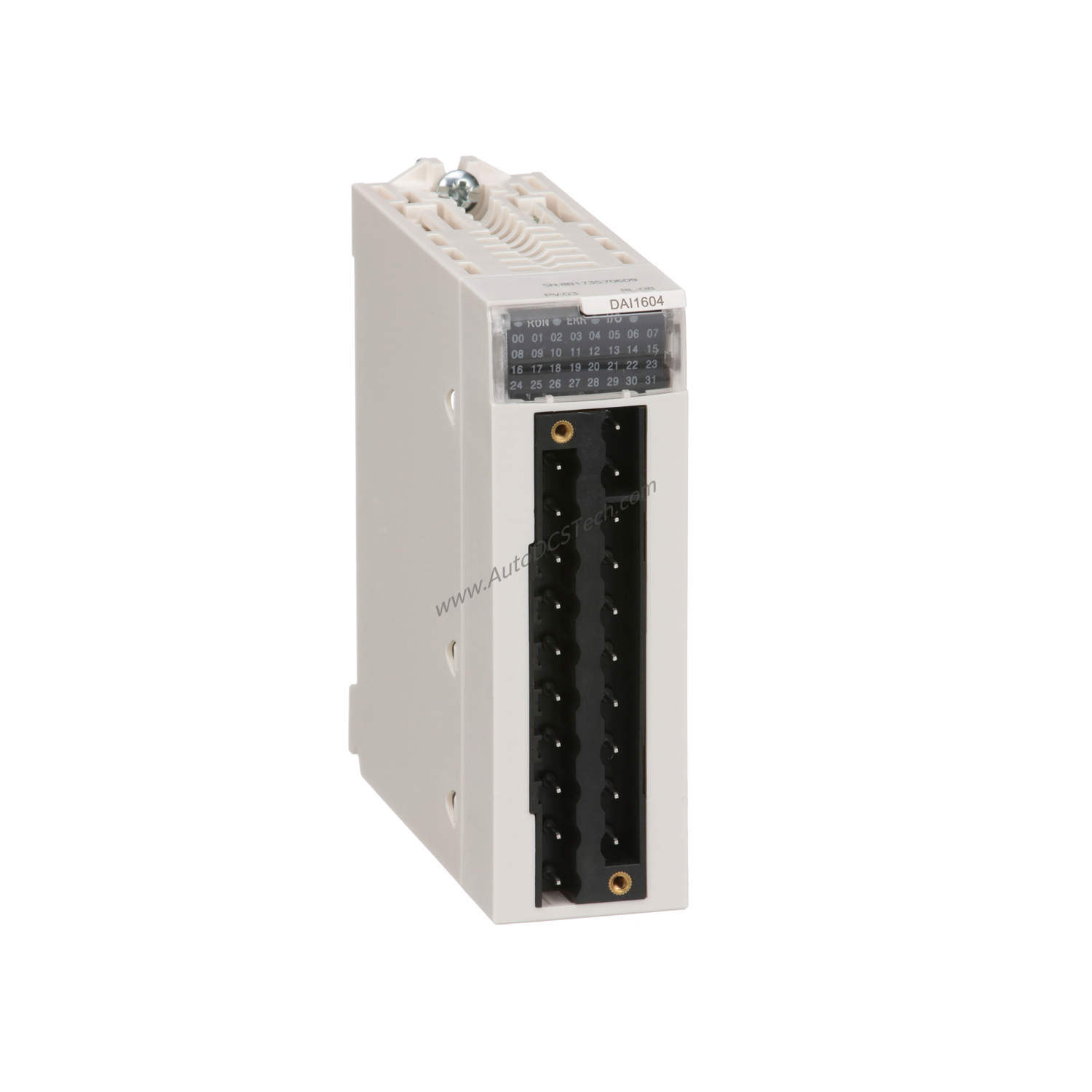

Introduction to the Yokogawa AAI143-H53
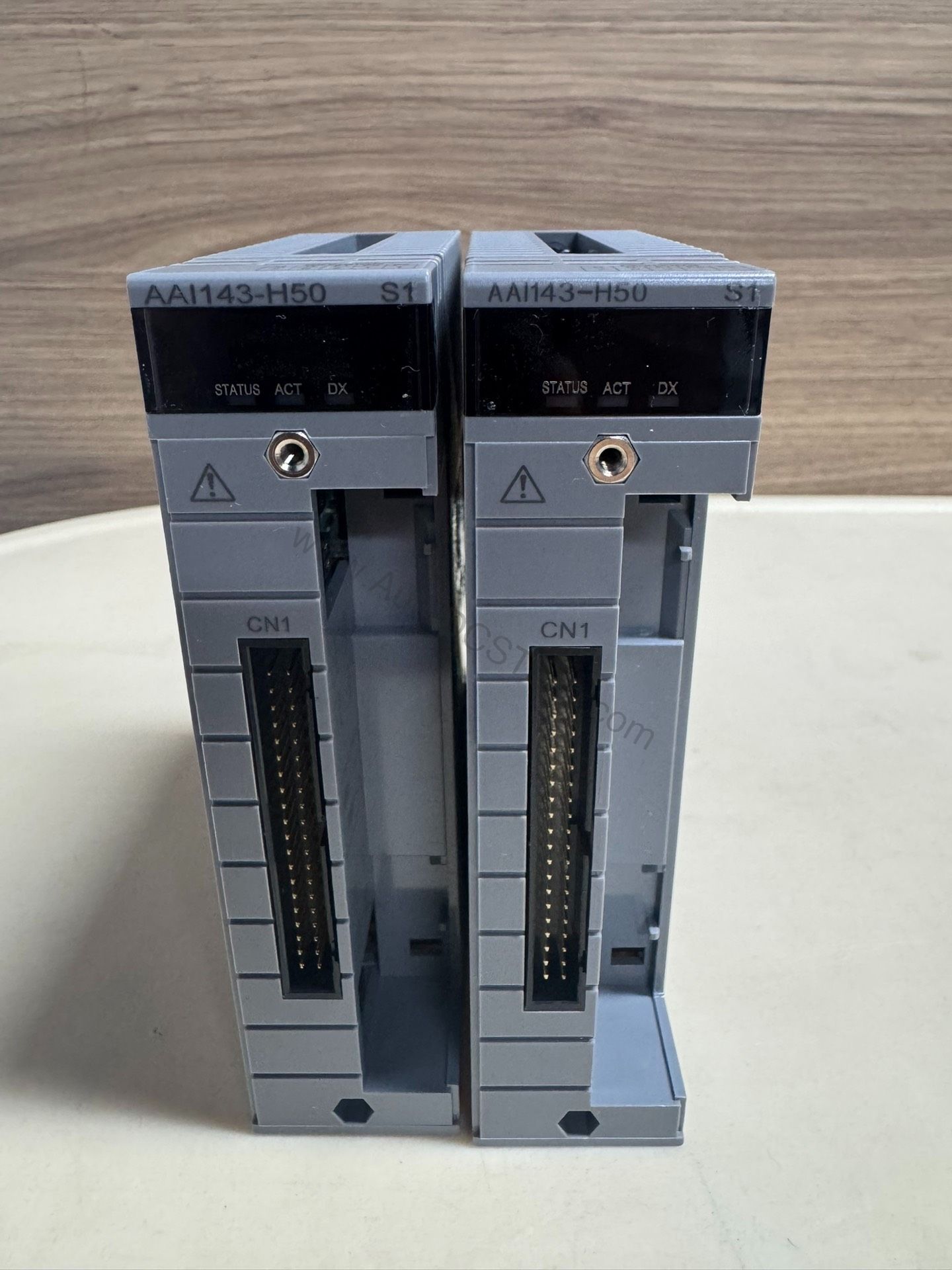
When a control system requires precise and reliable analog signal acquisition, the AAI143-H53 from Yokogawa stands out as a robust solution. This 16-channel analog input module is engineered to handle 4-20 mA signals with high accuracy, making it ideal for process industries where measurement integrity is critical. With HART protocol support, it enables seamless digital communication alongside analog signals, enhancing diagnostic capabilities without compromising performance.
The module's design includes 16 isolated input channels, ensuring that each channel operates independently, which is essential for preventing cross-talk and maintaining signal integrity in noisy industrial environments. The AAI143-H53 also features a withstanding voltage of 1500 V AC between input and system, providing excellent protection against electrical surges.
Key Features and Technical Specifications
The AAI143-H53 is packed with features that cater to demanding automation needs. Below are the core specifications that define its performance:
- Input Channels: 16 isolated channels for 4-20 mA signals.
- Input Resistance: 270 Ω at 20 mA to 350 Ω at 4 mA when powered, and 500 kΩ or larger when powered off.
- Accuracy: ±16 µA, ensuring precise measurement.
- Data Update Period: 10 ms, enabling fast response in control loops.
- Transmitter Power Supply: 19.0 V or higher at 20 mA, 25.5 V or less at 0 mA, with a current limit of 25 mA.
- Drift due to Ambient Temperature: ±16 µA/10 °C, maintaining stability across temperature variations.
- Maximum Current Consumption: 230 mA at 5 V DC and 540 mA at 24 V DC.
- External Communication: Pressure clamp terminal, MIL connector cable, and dedicated cable (KS1).
- Weight: 0.3 kg.
One distinctive feature is the ability to set each channel for 2-wire or 4-wire transmitters via a setting pin. This flexibility simplifies installation and reduces the need for external components, saving time and cost.
Applications and Use Cases
The AAI143-H53 is well-suited for a variety of industrial applications, including:
- Process control in chemical and petrochemical plants.
- Monitoring and control in oil and gas facilities.
- Data acquisition in power generation and water treatment systems.
- Integration into distributed control systems (DCS) for multi-point sensing.
For example, in a chemical reactor where temperature and pressure transmitters output 4-20 mA signals, the module's 16 isolated channels allow direct connection of multiple transmitters without interference, ensuring accurate and stable readings. The HART communication capability enables remote configuration and diagnostics, reducing maintenance downtime.
Installation and Setup
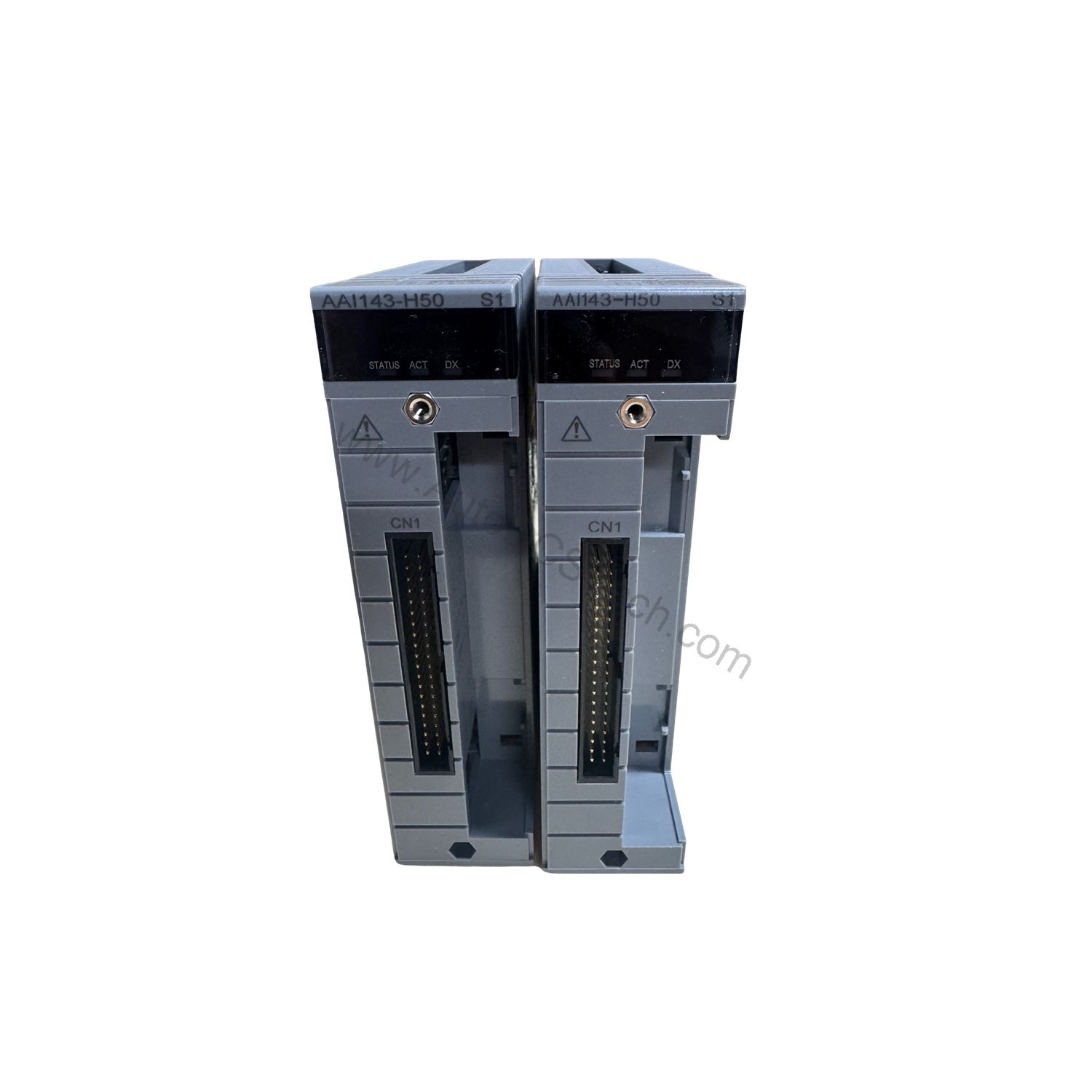
Installing the AAI143-H53 is straightforward, but careful attention to wiring and configuration is essential for optimal performance. The module supports 2-wire and 4-wire transmitter setups, which are selected via a setting pin for each channel. Ensure that the pin is correctly positioned before powering the module to avoid misconfiguration.
For external communication, the module offers pressure clamp terminals and MIL connector cables, providing flexibility in connection methods. When using the KS cable interface adapter (model ATK4A-00), connect it to the AEA4D terminal board as specified in the datasheet. Always follow the manufacturer's guidelines for wiring and grounding to prevent electrical noise and ensure safety.
Maintenance and Reliability
Routine maintenance of the AAI143-H53 is minimal, but periodic inspection is recommended to ensure long-term reliability. Check all connections for tightness and signs of corrosion, especially in harsh environments. The module's operating temperature range of -20 to 70 °C (with the G3 option) allows it to function reliably in extreme conditions, but verify that the ambient temperature stays within these limits.
Given the module's high input resistance and low drift, it maintains accuracy over time, reducing the need for frequent recalibration. However, if measurement discrepancies are noticed, verify the input signal and check for any wiring issues. For detailed maintenance procedures, refer to the official Yokogawa documentation.
Compatibility and Integration
The AAI143-H53 is designed to integrate seamlessly into Yokogawa's distributed control systems, such as CENTUM series. It communicates via the HART protocol, allowing compatibility with HART-enabled transmitters and handheld communicators. The module's external communication options include pressure clamp terminals and MIL connectors, making it adaptable to various field wiring configurations.
When integrating with other systems, ensure that the power supply meets the module's requirements: 5 V DC and 24 V DC, with maximum current consumption of 230 mA and 540 mA, respectively. Proper grounding and shielding are recommended to maintain signal integrity.
Troubleshooting Common Issues
If the AAI143-H53 does not perform as expected, consider the following common issues:
- No signal reading: Check the input wiring and ensure the transmitter is powered correctly. Verify the setting pin for 2-wire or 4-wire configuration.
- Inaccurate readings: Calibrate the module if necessary, and check for ambient temperature drift. The module's accuracy is ±16 µA, so any deviation beyond this may indicate a wiring or transmitter issue.
- Communication errors: For HART communication, ensure that the HART modem is properly connected and that the loop resistance is within the required range.
If problems persist, consult the official Yokogawa manual or contact AutoDCSTech for technical support.
Product Support and Availability
The AAI143-H53 is available from AutoDCSTech, an industrial automation parts supplier. Please verify current lifecycle status and availability with AutoDCSTech before ordering. For technical assistance or to place an order, contact AutoDCSTech directly.