Introduction: The Evolution of Signal Integrity in Industrial Automation
In the early days of industrial automation, signal transmission was often an afterthought—engineers focused on controllers and actuators, only to discover that poor cabling undermined system performance. Over time, the industry learned that a robust signal cable is the backbone of any control loop. The AKB331-M020 from Yokogawa embodies this evolution, offering a dedicated solution for high-integrity connections in critical process applications.
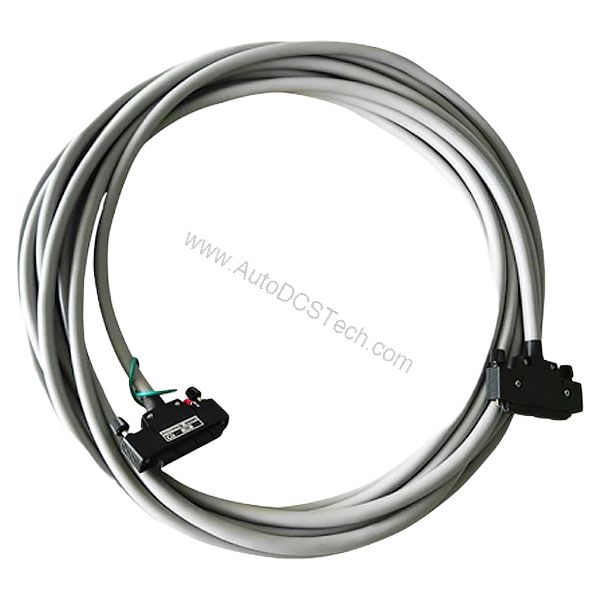
This 20-meter cable is engineered to link SDV144, SDV531, SDV53A, SDV541, and SAT145 modules to their respective terminal boards. By using a 50-pin to 50-pin configuration, it ensures that every signal path is preserved, minimizing the risk of misalignment or signal degradation. For control system engineers, this cable is not just a passive component—it is a safeguard for data fidelity.
Key Features and Technical Specifications
The AKB331-M020 is more than a simple wire harness; it is a precision interconnect designed for demanding environments. Below are the core specifications derived directly from the manufacturer's data:
- Model: AKB331 – Signal Cable (50-50 pins)
- Length: 20 meters
- Manufacturer: Yokogawa
- Compatibility: Designed for connection between SDV144/SDV531/SDV53A/SDV541/SAT145 and Terminal Board
The 50-pin to 50-pin arrangement is particularly noteworthy. It provides a one-to-one mapping of signals, which is essential for maintaining channel integrity in multi-point I/O systems. This design reduces the likelihood of cross-talk and ensures that each signal reaches its destination without interference.
Real-World Applications
In practice, the AKB331-M020 excels in scenarios where signal accuracy is paramount. For instance, in a distributed control system (DCS) used in a chemical plant, this cable connects the SDV531 valve positioner module to its terminal board, enabling precise control of process valves. The 20-meter length offers flexibility in cabinet layout, allowing engineers to position modules away from high-heat or high-vibration areas without compromising signal quality.
Moreover, the cable's robust construction minimizes downtime caused by loose connections or wire fatigue. In continuous process industries, such as oil and gas or power generation, every minute of unplanned shutdown translates to significant financial loss. By using a dedicated signal cable like the AKB331-M020, maintenance teams can reduce the frequency of connection-related failures.
Installation and Setup
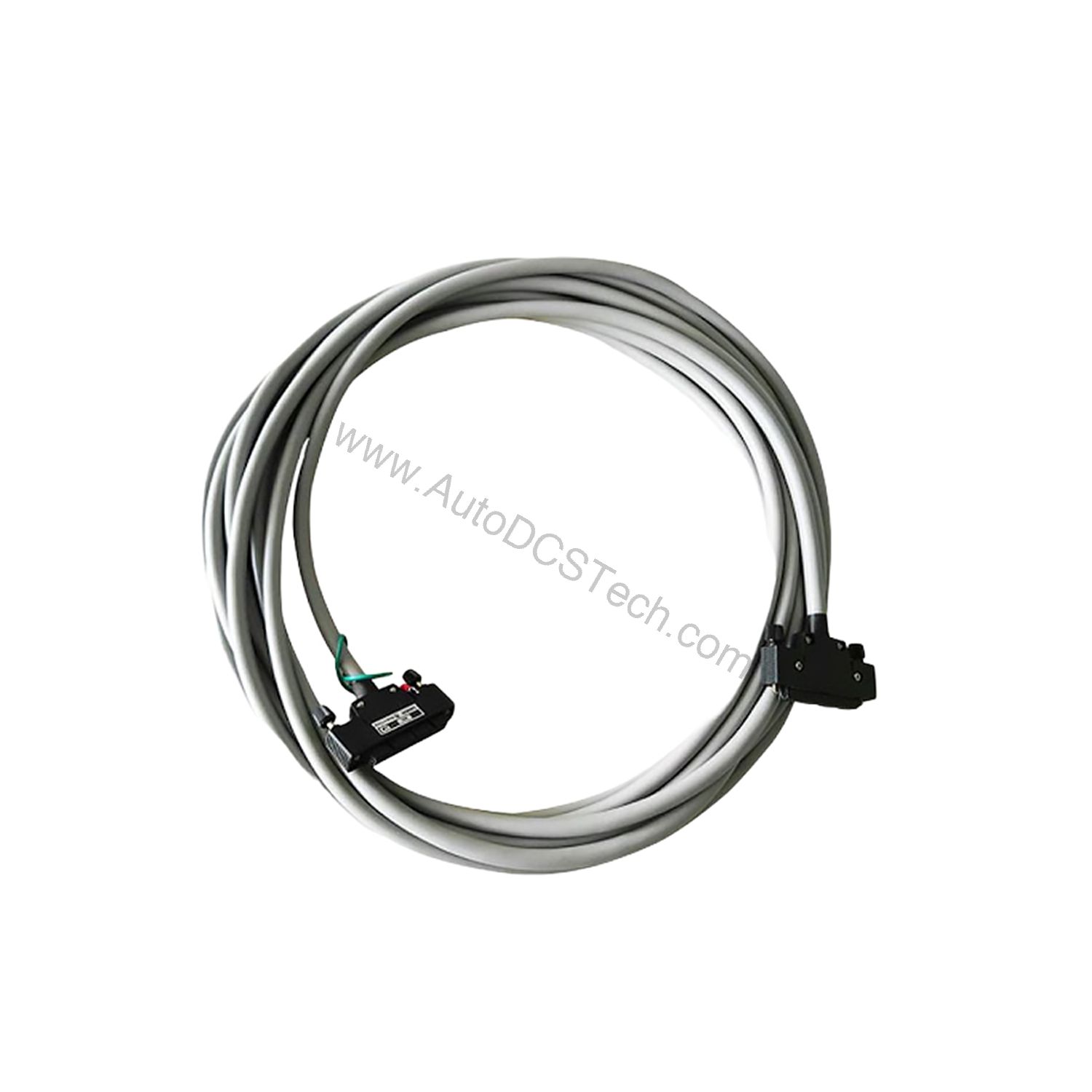
Proper installation is critical to maximizing the performance of the AKB331-M020. When routing the cable, avoid sharp bends and ensure that it is not subjected to tensile stress. The 50-pin connectors should be firmly seated and secured with the locking mechanisms to prevent accidental disconnection. It is also advisable to use cable ties to secure the cable along its path, but avoid over-tightening, which could damage the insulation.
For new installations, verify that the terminal board and module are compatible with the cable's pinout. Although the AKB331-M020 is specifically designed for the listed modules, a quick visual inspection of the connectors can prevent misalignment. If you are replacing an existing cable, label both ends before removal to simplify reconnection.
Maintenance and Reliability
Signal cables are often overlooked during routine maintenance, yet they are susceptible to wear over time. The AKB331-M020, with its durable construction, requires minimal upkeep, but periodic inspection is recommended. Check for signs of abrasion, especially at points where the cable touches sharp edges or moves during operation. Also, verify that the connectors remain clean and free from corrosion.
In environments with high humidity or chemical exposure, consider using a protective conduit to extend the cable's service life. By incorporating cable checks into your preventive maintenance schedule, you can avoid unexpected failures that lead to process interruptions.
Compatibility and Integration
The AKB331-M020 is purpose-built for Yokogawa's SDV144, SDV531, SDV53A, SDV541, and SAT145 modules. This targeted compatibility ensures seamless integration with your existing control system. The 50-pin connector standard is widely used in industrial I/O systems, making the cable a reliable choice for both new builds and retrofits.
When integrating the cable into a larger system, ensure that the terminal board is properly grounded to prevent ground loops. The cable itself does not require additional shielding, as its design already mitigates electromagnetic interference for typical industrial environments.
Troubleshooting Common Issues
If you encounter signal loss or intermittent errors, the first step is to check the cable connections. Loose connectors are a common cause of such issues. Ensure that both ends are securely fastened. If the problem persists, inspect the cable for visible damage, such as cuts or crushed sections. In rare cases, the cable may have a manufacturing defect; if so, contact AutoDCSTech for a replacement.
Another potential issue is pin misalignment during installation. Always align the connector keying before applying pressure. Forcing a connector can bend pins, leading to short circuits or open circuits.
Support and Availability
The AKB331-M020 is available through AutoDCSTech, your trusted source for industrial automation parts. We maintain a ready inventory to support your operational needs. For pricing and lead times, contact our sales team. Please verify the current lifecycle status and availability with AutoDCSTech before ordering.