Schneider Electric priced US$10 billion of multi-tranche senior bonds on 17 November 2026, with an average maturity of 10.2 years and an average coupon of around 5.7%. The proceeds form part of the financing for its US$205-per-share, all-cash acquisition of PTC, announced on 5 October 2026. The acquisition is expected to close by the third quarter of 2027 and has not completed.
- The bond: US$10 billion across eight senior tranches, priced on 17 November 2026 and announced on 18 November 2026. Seven tranches carry fixed coupons; one is floating-rate.
- The averages: average maturity of 10.2 years and average coupon of around 5.7%, as disclosed by the company.
- The use of proceeds: part of the financing of the previously announced PTC acquisition. The release does not describe any other allocation.
- The parallel financing: a €6.0 billion capital increase at €240 per share, announced on 20 October 2026, and a €6.0 billion multi-tranche bond issued under the EMTN programme on 28 October 2026.
- The transaction: a definitive agreement signed on 5 October 2026 to acquire 100% of PTC at US$205 per share in cash, valuing PTC's equity at approximately US$22.6 billion (€20.1 billion) and implying an enterprise value of about US$23.7 billion (€21.1 billion).
- The conditions: closing is targeted for the third quarter of 2027 and remains subject to a PTC shareholder vote and regulatory approvals, including a CFIUS review. The companies continue to operate separately until closing.
- The strategic framing: Schneider Electric describes the combination as a unified digital thread across design, build, operate and maintain, with an open and interoperable industrial software and AI layer.
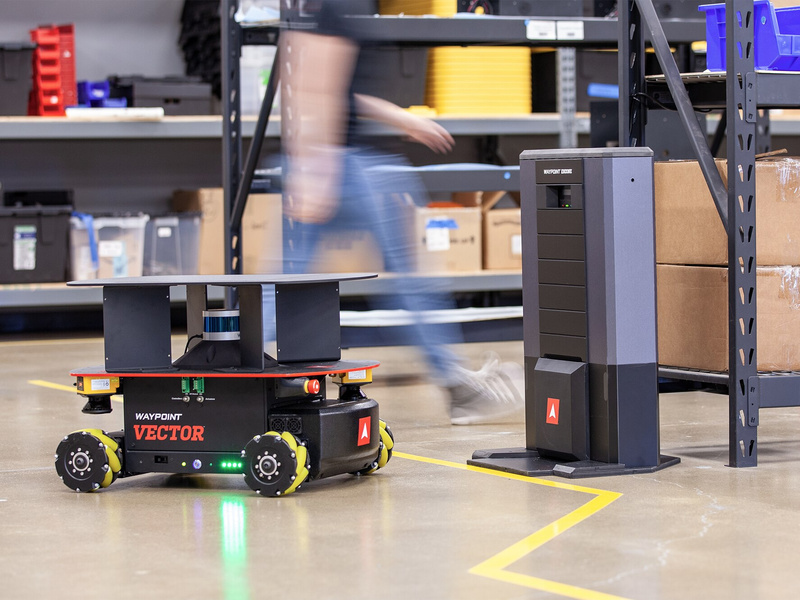
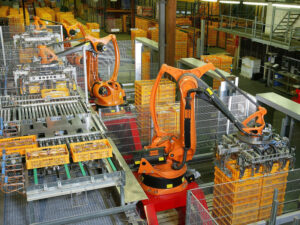
Illustrative image: an autonomous mobile robot on an automated production floor, the kind of connected asset that feeds operational data into industrial software systems.
How large is Schneider Electric's bond issue and when was it priced?
Schneider Electric priced US$10 billion of senior bonds on 17 November 2026 and announced the transaction on 18 November 2026. The offering is split into eight tranches with maturities from 2028 to 2056, and the company states an average maturity of 10.2 years and an average coupon of around 5.7%.
The structure is weighted toward intermediate and long maturities rather than a single benchmark sale. The largest tranche is US$2.25 billion due in November 2036, followed by US$2 billion due in November 2031. Only US$400 million is floating-rate, linked to three-month SOFR plus 0.67 percentage points, so the fixed-rate portion accounts for 96% of the total.
The release does not state a settlement date for the bonds, and it does not include a rating agency assignment in the text reviewed. Those details may be confirmed in the offering documentation rather than the pricing announcement.
What are the terms of each bond tranche?
The eight tranches range from a 5.125% coupon due in November 2028 to two 6.250% tranches due in 2046 and 2056. Fixed-rate yields to maturity run from 5.198% on the shortest tranche to 6.355% on the longest, while the floating tranche pays three-month SOFR plus 0.67%.
| Tranche | Amount | Maturity | Coupon | Yield to maturity |
|---|---|---|---|---|
| 1 | US$750 million | November 2028 | 5.125% | 5.198% |
| 2 | US$1,100 million | November 2029 | 5.250% | 5.338% |
| 3 | US$400 million | November 2029 | SOFR 3m + 0.67% | Floating |
| 4 | US$2,000 million | November 2031 | 5.500% | 5.545% |
| 5 | US$1,500 million | November 2033 | 5.625% | 5.727% |
| 6 | US$2,250 million | November 2036 | 5.875% | 5.939% |
| 7 | US$750 million | November 2046 | 6.250% | 6.349% |
| 8 | US$1,250 million | November 2056 | 6.250% | 6.355% |
The curve is conventional: longer maturities carry higher coupons and higher yields. What matters for a corporate issuer is the blended cost. A 10.2-year average maturity with an average coupon around 5.7% fixes a large part of the acquisition funding for a decade, which reduces refinancing risk but locks in a cost that will look expensive if dollar rates fall materially.
What will the US$10 billion be used for?
The proceeds are part of the financing for Schneider Electric's previously announced acquisition of PTC. The company does not describe any other use in the pricing release. The dollar bond sits alongside a €6.0 billion capital increase and a €6.0 billion euro bond, each also described as part of the same acquisition financing.
Describing the bond as "part of the financing" is precise and limited. It does not mean the US$10 billion equals the purchase price, and the company has not published a full sources-and-uses table showing how each instrument maps to the consideration, refinancing of PTC debt, fees or cash on hand. Readers should not infer that mapping.
| Instrument | Date disclosed | Size | Key terms |
|---|---|---|---|
| Capital increase | 20 October 2026 | €6.0 billion | €240 per new share; accelerated bookbuild without preferential subscription rights |
| Euro bond | 28 October 2026 | €6.0 billion | Multi-tranche senior bond under the EMTN programme |
| US dollar bond | 18 November 2026 (priced 17 November) | US$10.0 billion | Eight senior tranches; average maturity 10.2 years; average coupon around 5.7% |
The capital increase priced new shares at €240 each and represented 4.32% of the company's share capital prior to the issue, according to the transaction announcement. Taken together, the three instruments show a deliberate mix of equity and euro and dollar debt rather than reliance on a single market.
What is the PTC acquisition and how far has it progressed?
Schneider Electric signed a definitive agreement on 5 October 2026 to acquire 100% of PTC for US$205 per share in cash. The deal values PTC's equity at approximately US$22.6 billion (€20.1 billion) and implies an enterprise value of about US$23.7 billion (€21.1 billion). It is expected to close by the third quarter of 2027, subject to approvals.
PTC is a US-listed provider of industrial software for product design, engineering and data management, including computer-aided design and product lifecycle management. Schneider Electric's stated rationale is to combine its electrification and automation position with PTC's design and engineering software, creating what the companies call a unified digital thread from design and build to operate and maintain.
The announcement cites an implied multiple of 21 times EV/adjusted EBITA for 2027 estimates, or 13 times including full run-rate synergies. It also states €250 million of annual run-rate cost synergies expected by the third year and approximately €800 million of expected revenue synergies. Those are targets, not achieved results.
| Item | Disclosed detail |
|---|---|
| Agreement | Definitive agreement signed 5 October 2026 |
| Consideration | US$205 per share in cash for 100% of PTC's share capital |
| Equity value | Approximately US$22.6 billion (€20.1 billion) |
| Enterprise value | Approximately US$23.7 billion (€21.1 billion) |
| Implied multiple | 21x EV/adjusted EBITA 2027E; 13x including full run-rate synergies |
| Premium | 42.3% to the last closing price before announcement |
| Synergy targets | €250 million annual cost synergies by year 3; approximately €800 million expected revenue synergies |
| Expected closing | By the third quarter of 2027 |
| Conditions | PTC shareholder vote; regulatory approvals including CFIUS review |
What is confirmed, and what is not?
Confirmed: the bond size, tranche terms, average maturity and coupon, the use of proceeds as part of the PTC financing, the parallel equity and euro bond issues, and the acquisition terms. Not confirmed: a full sources-and-uses table, a fixed closing date, post-closing product roadmaps and the final allocation of proceeds among consideration, refinancing and fees.
The distinction matters because financing announcements and completion announcements are often conflated. Pricing a bond is a financing step. It does not mean the acquisition has closed, and it does not mean regulators have approved it. The transaction still requires a PTC shareholder vote and antitrust and foreign investment clearances, and the companies state that they will operate separately until closing.
Why is Schneider Electric funding a software acquisition with debt and equity?
The company has not published its reasoning for the instrument mix. What is disclosed is the structure: €6.0 billion of equity, €6.0 billion of euro bonds and US$10 billion of dollar bonds, each described as part of the PTC acquisition financing. Any explanation beyond that structure would be inference, not company disclosure.
The disclosed structure spreads the funding across equity and two debt markets. That reduces dependence on any single investor base during a long regulatory review, but the company does not state a currency-matching or hedging rationale, and no breakdown of the all-in cost of the package has been published.
What the release does not provide is equally relevant. There is no statement on hedging, no breakdown of the all-in cost of the package, and no disclosure of fees. Those items may appear in later filings and offering documents, but they are not part of the pricing announcement.
What does the financing mean for automation and software buyers?
No product, licensing, support or roadmap changes have been announced. Until closing, Schneider Electric and PTC continue to operate separately. Buyers should treat integration statements as intent, keep existing contracts under review, and ask suppliers for written lifecycle commitments rather than relying on the strategic rationale in the announcement.
For plants running Schneider Electric equipment, the relevant layer is the installed base that would feed any future digital thread. Schneider PLC and I/O modules determine which process data can be exposed, variable speed drives on production lines publish operating and energy parameters, and industrial HMI operator panels sit at the operator interface. None of these categories has been named in the PTC announcement, so no product-level link should be assumed.
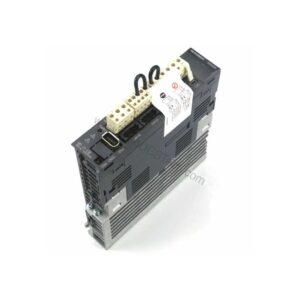
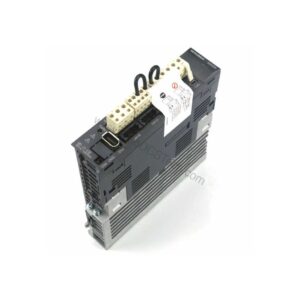
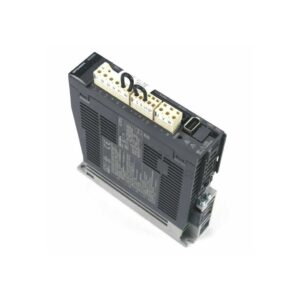
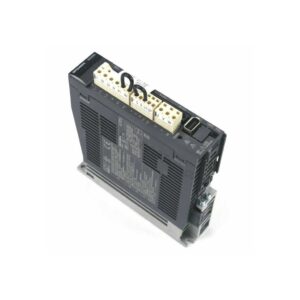
When integration does reach the market, the practical questions will be familiar: whether existing controllers can supply data without retrofit, whether software licences transfer across sites, and whether engineering data from design tools can be connected to operating data without a bespoke project. The industrial automation product catalogue shows how varied that installed base already is, from an ATV930 variable speed drive to an XBTGT1130 HMI panel and an MHDA1008N00 servo drive.
Two earlier developments provide context without implying a direct link. The move toward software-defined automation in medium-voltage switchgear shows how hardware dependence is already being reduced at the control layer, and the Schneider and BCG Model Smart Factory plan illustrates how vendors are packaging live-site evaluation for manufacturers.
Frequently asked questions about Schneider Electric's US$10 billion bond
How much did Schneider Electric raise in its November 2026 bond issue?
Schneider Electric priced US$10 billion of multi-tranche senior bonds on 17 November 2026. The offering was split into eight tranches with maturities between November 2028 and November 2056, and the company announced the pricing on 18 November 2026.
What are the average maturity and average coupon?
The company states an average maturity of 10.2 years and an average coupon of around 5.7%. Fixed-rate coupons range from 5.125% for the 2028 tranche to 6.250% for the 2046 and 2056 tranches, while one 2029 tranche is floating at three-month SOFR plus 0.67%.
What will the bond proceeds be used for?
The proceeds form part of the financing for Schneider Electric's acquisition of PTC. The company does not describe any other allocation in the pricing release, and it has not published a full sources-and-uses table for the transaction.
Has the PTC acquisition been completed?
No. The definitive agreement was signed on 5 October 2026, and closing is expected by the third quarter of 2027. Completion remains subject to a PTC shareholder vote and regulatory approvals, including a CFIUS review, and the companies continue to operate separately in the meantime.
What price is Schneider Electric paying for PTC?
Schneider Electric agreed to pay US$205 per share in cash for 100% of PTC's share capital. That values PTC's equity at approximately US$22.6 billion (€20.1 billion) and implies an enterprise value of about US$23.7 billion (€21.1 billion).
Did Schneider Electric use other financing for the deal?
Yes. Alongside the US dollar bond, the company disclosed a €6.0 billion capital increase at €240 per share in October 2026 and a €6.0 billion multi-tranche euro bond under its EMTN programme on 28 October 2026. Each is described as part of the PTC acquisition financing.
Sources
- Schneider Electric financial release: successful pricing of US$10 billion of bonds, 18 November 2026
- Schneider Electric financial release: €6.0 billion multi-tranche senior bond, 28 October 2026
- PTC and Schneider Electric: definitive agreement to acquire PTC, 5 October 2026
- PTC preliminary proxy statement (Schedule 14A), closing timeline and conditions
- Nasdaq: Schneider Electric to acquire PTC for US$205 a share
- Euronext: Schneider Electric SE company press releases
More in News
Looking for 10?
Browse genuine 10 units, specifications, and pricing — or request a quote from our automation specialists.
View 10 Products & Get a Quote →