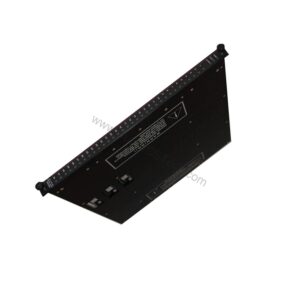
3502E 32-Point TMR Digital Input Module
The Triconex 3502E TMR digital input module provides 32 points with self-test capability, ensuring reliable stuck-On detection for safety-critical applications.
Read More →
The Triconex 3502E TMR digital input module provides 32 points with self-test capability, ensuring reliable stuck-On detection for safety-critical applications.
Read More →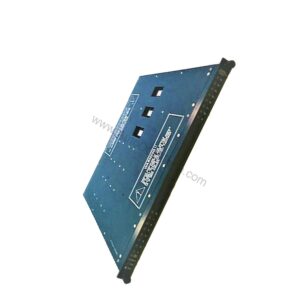
The Triconex 3601E digital output module delivers 16 isolated 115 VAC outputs with 2A continuous current for demanding ESD and F&G systems.
Read More →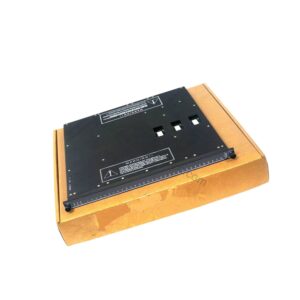
The 3636R relay output module from Triconex drives 32 non-commoned points with 2A maximum current and 155 VAC/VDC maximum voltage.
Read More →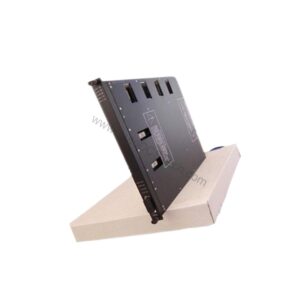
The 3806E Triconex analog output module delivers TMR reliability with 6 points at 4-20 mA and 2 points at 20-320 mA for critical turbomachinery control.
Read More →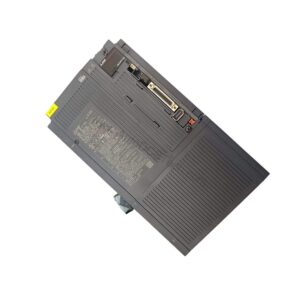
The Triconex 3700A analog input module delivers 32 differential points with 12-bit resolution and TMR fault tolerance for critical control systems.
Read More →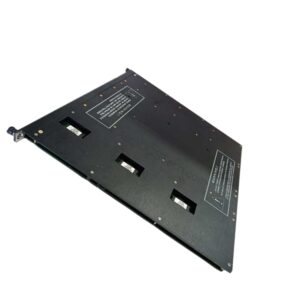
The Triconex 3805E is a TMR analog output module with 8 points, 4-20 mA output, and 12-bit resolution for reliable industrial control.
Read More →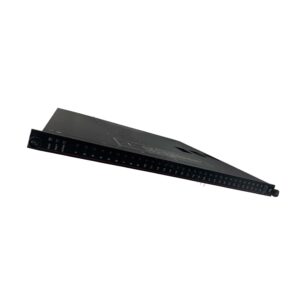
The Triconex 3503E TMR digital input module delivers 32 inputs with self-test and 1,500 VDC isolation for high-integrity safety systems.
Read More →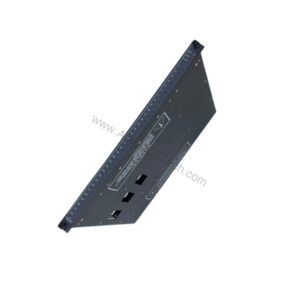
The Triconex 3636T relay output module drives 32 non-commoned outputs with 2A capacity and 155 VAC/VDC rating for non-critical points.
Read More →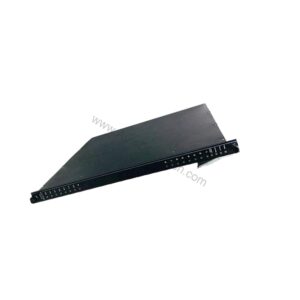
The Triconex 3501T digital input module offers 32 isolated points, TMR architecture, and 115 VAC/VDC operation for high-integrity safety systems.
Read More →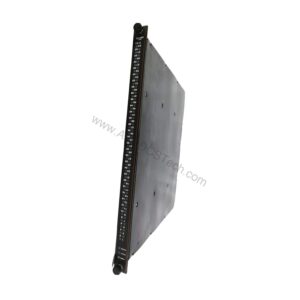
The Triconex 3504E high density digital input module offers 64 commoned DC-coupled points with TMR architecture for reliable, precise monitoring.
Read More →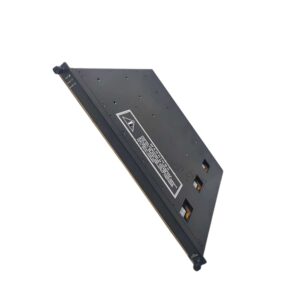
The Triconex 3704E TMR analog input module delivers 64 single-ended channels with 12-bit resolution for precise industrial monitoring.
Read More →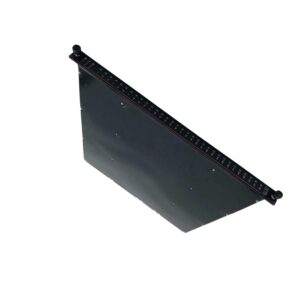
The 3501E Triconex TMR digital input module offers 32 isolated points with 115 VAC/VDC input and 1,500 VDC isolation for reliable safety systems.
Read More →